
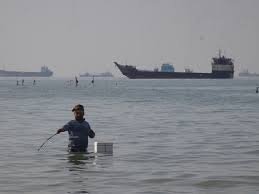
Project Freedom: A New Chapter in the Hormuz Mission
The geopolitical landscape of the Middle East has once again shifted toward high tension following the announcement of Project Freedom. Initiated by the Trump administration, this ambitious Hormuz mission aims to provide military escorts for stranded and commercial vessels navigating the volatile waters of the Strait of Hormuz.
The move comes as a direct response to increasing instability in one of the world’s most critical maritime chokepoints, where the flow of global energy is frequently threatened by regional conflicts.
Why the Strait of Hormuz is Critical
To understand the weight of Project Freedom, one must understand the strategic importance of the Strait of Hormuz. This narrow waterway connects the Persian Gulf with the Gulf of Oman and the Arabian Sea, serving as the primary artery for oil exports from the Middle East to the rest of the world.
- Energy Security: A significant percentage of the world’s liquefied natural gas (LNG) and crude oil passes through this strait.
- Global Economy: Any disruption in this region leads to immediate volatility in global oil prices, affecting markets from North America to Asia.
- Maritime Law: The mission seeks to uphold the principle of “freedom of navigation,” ensuring that international trade is not hindered by political disputes.
Iran’s Reaction and the Risk of Escalation
As expected, the announcement of the Hormuz mission has sparked immediate protests from Iran. Tehran views the deployment of foreign naval forces in its backyard as a provocative act and a violation of regional sovereignty. The clash of narratives—security and freedom versus sovereignty and interference—sets the stage for a potentially dangerous escalation.
Analysts suggest that while Project Freedom is designed to deter aggression, the physical presence of increased naval assets could lead to accidental skirmishes, further complicating the diplomatic dialogue between Washington and Tehran.
What This Means for the Future
The implementation of Project Freedom is more than just a military maneuver; it is a signal of a “maximum pressure” strategy. The goal is to ensure that shipping lanes remain open, but the cost may be a heightened state of alert across the region.
For those following international relations, the success of this mission will depend on the balance between strength and diplomacy. For more detailed information on the geography and strategic importance of the region, you can explore resources from the Encyclopaedia Britannica regarding the Strait of Hormuz.
Will Project Freedom bring stability to the region, or will it ignite further conflict? The world watches closely as the Hormuz mission unfolds.



