
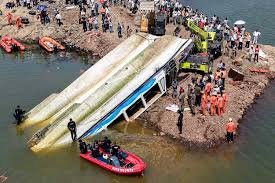
Capsizing Prevention: Your Essential Guide to Boat Safety and Stability
There is nothing quite like the freedom of the open water, whether you are navigating the rugged coastlines of Nova Scotia or the serene lakes of Ontario. However, for any boater, the word “capsizing” represents one of the most frightening scenarios possible. When a vessel loses its stability and flips over, the situation can escalate from a leisure trip to a life-threatening emergency in seconds.
Understanding why capsizing happens and how to prevent it is not just a recommendation—it is a necessity for every captain and passenger. In this guide, we will explore the primary causes of vessel instability and provide actionable steps to keep your boat upright and your passengers safe.
What Exactly is Capsizing?
In maritime terms, capsizing occurs when a boat tilts so far to one side that it cannot right itself, resulting in the vessel turning over. This can be a slow roll or a sudden, violent flip, depending on the cause. Whether you are in a small kayak or a larger motorized craft, the physics of stability remain the same: the center of gravity must remain balanced relative to the center of buoyancy.
Common Causes of Boat Capsizing
Prevention starts with awareness. Most capsizing incidents are avoidable if you recognize the warning signs and risks:
- Improper Weight Distribution: Having too many passengers on one side of the boat or overloading the vessel beyond its capacity is a leading cause of instability.
- Severe Weather Conditions: Unexpected high winds, rogue waves, or strong currents can easily push a boat past its tipping point.
- Operator Error: Sharp turns at high speeds can create centrifugal force that pushes the boat outward, leading to a sudden capsize.
- Equipment Failure: A failure in the bilge pump or a leak that fills one side of the hull with water (free surface effect) can drastically reduce stability.
Proactive Steps to Prevent Capsizing
Staying safe on the water requires a combination of preparation and vigilance. Follow these essential tips to minimize the risk of capsizing:
1. Balance the Load
Always ensure that passengers and gear are distributed evenly. Encourage passengers to stay seated and avoid moving abruptly to one side of the boat while it is in motion.
2. Respect the Weather
Before departing, check the latest maritime forecasts. If warnings for high winds or storm surges are in place, it is better to postpone your trip. For more detailed safety regulations and weather advisories, refer to the official Transport Canada Marine Transportation guidelines.
3. Maintain Proper Speed
Reduce your speed when navigating tight turns or crossing wakes from other vessels. High-speed maneuvers in unstable water are a recipe for disaster.
4. Wear Your Life Jacket
While a life jacket won’t prevent capsizing, it is the single most important piece of equipment for survival after a capsize occurs. Ensure all passengers are wearing Coast Guard-approved PFDs (Personal Flotation Devices).
What to Do if Your Boat Capsizes
Despite all precautions, accidents happen. If you find yourself in a capsizing situation, remember these critical steps:
- Stay Calm: Panic leads to poor decision-making and faster exhaustion.
- Move Away from the Hull: Avoid getting trapped under the vessel or tangled in rigging and lines.
- Stay Together: Keep your group close to make it easier for rescue teams to spot you.
- Signal for Help: Use a whistle, mirror, or VHF radio to alert nearby vessels and emergency services.
Final Thoughts on Maritime Safety
The beauty of boating lies in the adventure, but that adventure should never come at the cost of safety. By understanding the mechanics of capsizing and adhering to strict stability protocols, you can ensure that your time on the water remains enjoyable and secure.
Safe boating is a shared responsibility. Educate your guests, maintain your equipment, and always respect the power of the water.



