
html
Beyond ‘Medical Clinic Near Me’: The Fight for Survival in Gaza’s Shattered Healthcare System
For many across the globe, searching for a “medical clinic near me” is a simple act, leading to a myriad of options for routine check-ups or urgent care. But imagine a place where such a search yields only rubble, despair, and a desperate plea for basic survival. This is the harrowing reality in Gaza, where years of conflict have decimated infrastructure, leaving its healthcare system on the brink of collapse.
In this dire landscape, organizations like Doctors Without Borders (MSF) serve as an indispensable lifeline, providing critical care when virtually all other options have vanished. Yet, even these bastions of hope are facing unprecedented challenges, threatening to sever the fragile thread of medical support for a population in profound distress.
A Glimmer of Hope: MSF’s Lifesaving Work
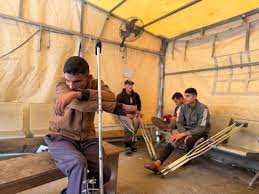
Amidst the widespread destruction, MSF operates a network of healthcare facilities and medical points, offering a semblance of stability and professional care. These are not merely clinics; they are sanctuaries where individuals, often suffering from severe injuries inflicted by the conflict, can find solace and treatment.
Mohammed’s Ordeal: A Story of Desperation and Resilience
Consider 14-year-old Mohammed Ibrahim, whose life took a tragic turn after an accident while trying to secure food for his starving family. With three surgeries already behind him, he endures agonizing pain as nurses at an MSF clinic in Gaza City diligently tend to his wounds. His mother, Neama Abu Ghanim, recounts months of sleepless nights before finding relief at MSF, where vital medicines finally offered her son a few hours of much-needed rest. This powerful narrative underscores the critical role MSF plays in a region where finding any form of functioning medical clinic near me has become an agonizing, often fruitless, quest.
MSF’s commitment extends beyond treating physical wounds. Their clinics offer mental health support for children traumatized by war and provide essential physical therapy for those struggling to regain mobility. The organization reports having treated approximately one million people in Gaza last year – roughly half the population – a testament to the colossal need for accessible healthcare.
The Crushing Blow: An Aid Ban
The already strained healthcare system faces a new, devastating blow. Citing new security and transparency rules, Israel has implemented a ban preventing MSF and dozens of other international aid organizations from bringing in aid or international staff to Gaza and the occupied West Bank. This decision threatens to cripple the capacity of these groups to deliver lifesaving services, forcing them to rely solely on exhausted local staff with dwindling supplies and no international specialist expertise.
Loay Harb, a Palestinian nurse at an MSF clinic, highlights the complexity of daily cases, many requiring extensive treatment and multiple operations. He acknowledges the immense pressure, stating, “I am trying to provide the best care to patients because I know they don’t have any access to this kind of care elsewhere.” A waitlist for care is a grim reminder of the overwhelming demand.
The Israeli Rationale and International Outcry
Israel states that the ban, affecting around 40 international aid organizations including Oxfam, the Norwegian Refugee Council, and Save the Children, is due to their failure to meet new security and transparency standards. These standards, implemented after the October 7, 2023 Hamas-led attack, aim to prevent the exploitation of aid by militant groups. However, over 50 international aid groups have collectively responded, asserting their inability to provide personal staff data to a party to the conflict, especially given that over 400 aid workers have been killed in Israeli attacks in the past two years.
The international community has reacted with alarm. Ten countries, including the U.K., France, and Canada, have condemned Israel’s ban as “unacceptable,” noting that a third of Gaza’s healthcare facilities are run by international aid groups. Major U.N. agencies working in Gaza have also called for an immediate reversal, warning of severe humanitarian consequences, including further harm to efforts to assist people through another harsh winter.
The Broader Implications for Gaza’s Health
The impact of this ban extends far beyond individual patient care. With dwindling resources and limited staff, the already shattered healthcare system will plunge into deeper crisis. The very concept of finding a reliable medical clinic near me for emergency or even basic care becomes a cruel illusion for Gaza’s residents.
MSF, with a presence in the Palestinian territories since 1989, has endured immense losses, with 15 staff members killed and clinics bombed during the conflict. The organization denies Israeli allegations of ties between some of its killed employees and militant groups, asserting that the ban violates international humanitarian law and is designed to impede access to vital aid.
A Call for Unimpeded Access
The reports generated by these banned aid groups have provided crucial, first-hand accounts of the humanitarian situation, often forming the only independent window into the realities on the ground. Israel’s new registration requirements also include clauses that could revoke licenses for organizations engaging in “delegitimization activities against Israel,” raising concerns about freedom of speech and reporting.
As the international community grapples with the escalating crisis, the necessity of unimpeded access for humanitarian organizations remains paramount. The lives of millions depend on the continued, unhindered operation of groups like MSF, ensuring that even in the most desolate corners of the world, the search for a medical clinic near me can still lead to a chance at survival.
For more information on the global humanitarian crisis and the work of Doctors Without Borders, visit their official website at Doctors Without Borders (MSF) or explore reports from the UN Office for the Coordination of Humanitarian Affairs (OCHA).



