
Winter Storm Survival Guide: How to Stay Safe and Prepared in Canada
For those living in the Great White North, a winter storm is more than just a seasonal occurrence—it’s a challenge that requires preparation, resilience, and the right knowledge. From blinding blizzards to sudden ice storms, Canadian winters can be unpredictable and potentially hazardous.
Whether you are a lifelong resident or new to the climate, being prepared can make the difference between a cozy evening indoors and a dangerous emergency. In this guide, we provide actionable tips to ensure you and your family stay safe during the harshest weather conditions.
1. Build Your Ultimate Winter Emergency Kit
When a severe winter storm hits, power outages and road closures are common. Having a dedicated emergency kit ensures you have the essentials if you are stranded or unable to leave your home.
- n
- Water and Food: At least a three-day supply of non-perishable food and 4 litres of water per person per day.
- Lighting: High-quality LED flashlights, lanterns, and plenty of extra batteries (avoid candles to prevent fire risks).
- Warmth: Thermal blankets, sleeping bags, and warm clothing (wool socks, gloves, and hats).
- Communication: A battery-powered or hand-crank radio to stay updated on weather alerts from Environment Canada.
- First Aid: A fully stocked first aid kit and a supply of essential medications.
2. Winterizing Your Home for Maximum Efficiency
Preventing damage to your property is just as important as personal safety. A few proactive steps can prevent frozen pipes and keep your heating bills manageable during a winter storm.
Key Home Maintenance Tips:
- Seal the Leaks: Check windows and doors for drafts. Use weatherstripping or caulk to keep the cold air out.
- Protect Your Pipes: Insulate exposed pipes in your basement or garage to prevent them from freezing and bursting.
- Clear the Gutters: Ensure gutters are clean so that melting snow and ice can drain away from your foundation.
- Check Your Heating System: Get your furnace serviced before the first frost to ensure it operates efficiently when you need it most.
3. Safe Driving in Snowy and Icy Conditions
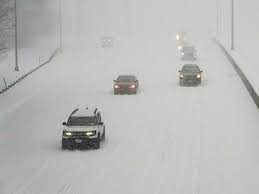
Driving during a winter storm can be treacherous. If you must hit the road, safety should be your absolute priority.
Essential Driving Tips:
- Winter Tires are Non-Negotiable: Ensure you have dedicated winter tires with deep tread for better grip on ice and snow.
- Keep a Car Kit: Always carry a snow brush, ice scraper, sand or kitty litter (for traction), and a warm blanket in your trunk.
- Slow Down and Increase Distance: Braking distances increase significantly on slippery roads. Give yourself plenty of room to stop.
- Know When to Stay Home: If visibility is near zero, the safest place to be is off the road.
4. Staying Informed and Connected
Information is your best tool during a weather crisis. Stay tuned to local news and official government channels. For comprehensive safety protocols, the Canadian Red Cross offers excellent resources on disaster preparedness.
Pro Tip: Sign up for local emergency alerts on your smartphone to receive real-time notifications about evacuation orders or severe weather warnings in your specific region.
Final Thoughts
While a winter storm can be intimidating, a little bit of foresight goes a long way. By preparing your home, stocking your emergency kit, and driving cautiously, you can navigate the Canadian winter with confidence and peace of mind. Stay warm, stay safe, and always be prepared!



