
The High-Stakes Game: Trump, Iran, and the Ceasefire Debate
In a move that has sparked intense debate in Washington, President Donald Trump has informed Congress that US hostilities with Iran have officially “terminated.” This claim comes amidst an ongoing ceasefire, with the President arguing that he is no longer bound by the legislative deadlines typically required for military actions.
Under the War Powers Resolution of 1973, a US president must secure Congressional approval within 60 days of initiating military action; otherwise, all hostilities must cease. However, the Trump administration is taking a different approach, suggesting that the ceasefire agreed upon last month effectively “paused the clock” on this legal obligation.
A Diplomatic Tug-of-War
While a formal ceasefire is in place, a long-term peace agreement remains elusive. Recent reports from Iranian state media (IRNA) indicate that Tehran has sent a new proposal for negotiations through intermediaries in Pakistan. Despite this opening, President Trump has expressed skepticism.
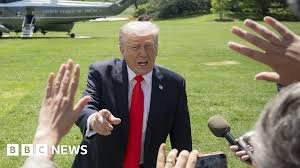
“We just had a conversation with Iran. Let’s see what happens. But, I would say that I am not happy,” Trump told reporters, noting that the Iranian leadership appeared “confused” following the loss of several top military officials during the conflict.
The President’s options, as briefed by US Central Command, range from total military escalation to reaching a comprehensive deal. Trump emphasized that the US will not accept a short-term fix, stating, “We’re not going to leave early and then have the problem arise in three more years.”
Economic Ripples and the Strait of Hormuz
Beyond the political rhetoric, the conflict continues to exert pressure on the global economy. The Strait of Hormuz, a critical artery for global oil shipping, remains effectively closed. To maintain pressure, the US Treasury has issued a stern warning: any individual or corporation paying a “toll” to Iran for passage through the strait risks violating US sanctions.
Legal Experts Weigh In: Is the “Paused Clock” Valid?
The administration’s interpretation of the War Powers Resolution is facing scrutiny from legal scholars. Professor Heather Brandon-Smith of Georgetown University Law argues that a ceasefire does not constitute a permanent end to conflict.
- n
- The Administration’s View: The ceasefire terminates active hostilities, resetting or pausing the 60-day window.
- The Legal Expert View: Only a permanent peace treaty or formal end to the conflict would stop the statutory clock.
- The Congressional Divide: While Republicans largely support the administration, Democratic senators, including Tim Kaine, argue the law does not support this interpretation.
The Root of the Conflict
The current volatility stems from wide-ranging strikes launched by the US and Israel targeting Iran’s leadership, followed by retaliatory attacks from Tehran on Israel and US allies in the Gulf. At the heart of the tension is the Western opposition to Iran’s nuclear programme, with the US asserting that Tehran is pursuing nuclear weapons—a claim Iran continues to deny.
As the US navigates this diplomatic minefield, the world watches to see if this ceasefire will lead to a sustainable peace or serve as a brief prelude to further escalation.



