
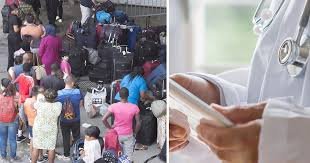
The Human Face of the Global Refugee Crisis
Behind every statistic regarding a refugee is a human story of courage, loss, and an unwavering search for safety. In an era of unprecedented global instability, understanding the complexities of forced displacement is more critical than ever. But what does it truly mean to be a refugee, and how can the global community, particularly here in Canada, offer meaningful support?
What Defines a Refugee?
According to the UNHCR (The UN Refugee Agency), a refugee is someone who has been forced to flee his or her country because of persecution, war, or violence. Unlike economic migrants, refugees flee for their lives, often leaving behind everything they own to escape threats to their lives or freedom.
The journey of an asylum seeker is often fraught with peril, involving dangerous crossings and bureaucratic hurdles. The transition from a state of survival to a state of stability is a long and challenging process that requires more than just legal status—it requires community integration.
Canada’s Role in Global Resettlement
Canada has long been recognized as a global leader in welcoming displaced persons. Through a combination of government-assisted programs and private sponsorship, Canada provides a pathway for refugees to rebuild their lives in a safe and inclusive environment.
The Immigration, Refugees and Citizenship Canada (IRCC) manages these processes, ensuring that those arriving have the necessary support to integrate into Canadian society. From healthcare access to language training, the goal is to transform the refugee experience from one of trauma to one of opportunity.
How You Can Make a Difference
Supporting refugees isn’t just the responsibility of governments; it’s a collective humanitarian effort. If you are looking for ways to contribute, consider the following actions:
- n
- Volunteer Your Time: Local settlement agencies often need mentors to help newcomers navigate everything from public transit to job applications.
- Donate to Reputable Organizations: Support agencies that provide immediate relief, such as food, shelter, and medical care in conflict zones.
- Advocate for Inclusive Policies: Use your voice to support policies that protect human rights and facilitate the safe passage of asylum seekers.
- Educate Yourself and Others: Challenge misconceptions about refugees by sharing factual information and humanizing the stories of those seeking safety.
A Future Built on Empathy
The refugee crisis is not merely a political issue; it is a moral imperative. By fostering empathy and taking concrete action, we can help ensure that every person, regardless of where they were born, has a place to call home.
For more detailed information on current immigration policies and how to sponsor a refugee, visit the official Government of Canada website.



