Bryan Johnson: Taking Biohacking Into the Bedroom
Bryan Johnson, the billionaire tech mogul known for his obsessive quest to reverse aging and his rigorous Blueprint protocol, has once again pushed the boundaries of public discourse. While most people keep their intimate health private, Johnson recently took to X (formerly Twitter) to share a highly detailed analysis of his partner’s vaginal microbiome.
After a moment of intimacy, Johnson posted the results of Kate Tolo’s microbiome report, claiming her results placed her in the “top 1%” of vaginal health. While the internet reacted with a mixture of confusion and requests for him to “share a bit less,” there was a deeper, scientific motive behind the provocative post.
The Science Behind the “Top 1%” Score
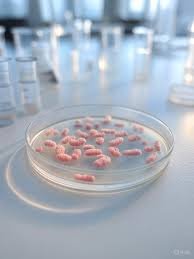
According to the report shared by Johnson, Tolo’s microbiome is dominated by Lactobacillus crispatus, a bacterial species critical for maintaining a healthy vaginal environment. While only about 25-30% of women of reproductive age are dominant in this species, Tolo’s levels were recorded at a staggering 98.7%.
Why does this matter in the world of biohacking? A microbiome dominated by L. crispatus is scientifically linked to several health advantages, including:
- n
- Lower risk of Bacterial Vaginosis (BV) and yeast infections.
- Reduced susceptibility to UTIs and the acquisition of HIV and HSV-2.
- Lower persistence of HPV, which is a primary driver of certain cancers.
- Improved outcomes for those undergoing IVF treatments.
Johnson argues that the vaginal microbiome is a “downstream” indicator of overall systemic health, reflecting everything from sleep quality and glucose control to gut health and immune function. For more information on how the microbiome affects general health, you can explore resources from the National Center for Biotechnology Information (NCBI).
Beyond the Shock Value: A Public Health Warning
While the delivery was unconventional, Kate Tolo, co-founder of Blueprint, defended the transparency. She pointed out a dangerous gap in public health: the lack of conversation surrounding the risks of oral sex.
Tolo emphasized that many people who are diligent about using condoms often overlook the risks associated with oral intimacy. Some of the critical risks she highlighted include:
- n
- HPV Transmission: Oral HPV is now a leading cause of oropharyngeal cancers in the US, surpassing tobacco use in some demographics.
- Antibiotic Resistance: Oral gonorrhea is becoming increasingly resistant to standard treatments.
- Microbiome Disruption: Bacteria in saliva can potentially disrupt the delicate balance of the vaginal microbiome, leading to infections.
Conclusion: Data-Driven Intimacy
Whether you find his methods “unhinged” or visionary, Bryan Johnson continues to treat every aspect of human existence—including sexual health—as a data point to be optimized. By bringing the conversation about STIs and microbiomes into the spotlight, he and Tolo are challenging the stigma around sexual health testing and communication.
In a world where preventative health is becoming the ultimate luxury, the message is clear: knowing your data is the first step toward total wellness.