
Moon Phase Today: Unlocking the Secrets of the Night Sky
Have you ever looked up at the night sky and wondered about the moon phase today? Whether you are a seasoned astronomer or someone who simply enjoys a moonlit walk, the lunar cycle offers a captivating show that changes every single night.
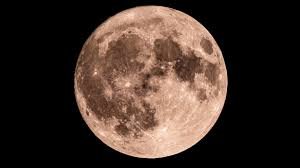
As of Thursday, April 30, we are currently in the Waxing Gibbous phase. This means we are just one day away from the Full Moon, and the lunar surface is nearly fully illuminated. According to NASA’s lunar data, approximately 98% of the Moon’s face is lit up tonight, making it a perfect opportunity for stargazing.
What Can You See Tonight?
Depending on the equipment you have at home, the Moon reveals different layers of its mysterious geography. Here is what you can look for tonight:
- n
- With the Naked Eye: Even without any tools, the sky is rewarding. Look for the Mare Serenitatis (Sea of Serenity), as well as the prominent Tycho Crater and Copernicus Crater.
- Using Binoculars: If you have a pair of binoculars, you can dive deeper. Try to spot the Alps Mountains, the Archimedes Crater, and the Alphonsus Crater.
- Through a Telescope: For the ultimate experience, a telescope will reveal the Apollo 16 landing site, the intricate Rima Hyginus, and the rugged Fra Mauro Highlands.
Understanding the Lunar Cycle
The Moon doesn’t just change shape for the sake of beauty; it is a complex celestial dance. It takes roughly 29.5 days for the Moon to complete one orbit around Earth. While we always see the same side of the Moon, the amount of sunlight reflecting toward us changes as it moves, creating the distinct phases we observe.
The 8 Primary Lunar Phases
To better understand the moon phase today and in the future, here is a breakdown of the eight main stages of the lunar cycle:
- New Moon: The Moon sits between Earth and the Sun, leaving the side facing us in total darkness.
- Waxing Crescent: A thin sliver of light begins to appear on the right side.
- First Quarter: Half of the Moon is illuminated on the right side.
- Waxing Gibbous: More than half is lit, growing steadily toward a full circle.
- Full Moon: The entire face is illuminated and brilliantly visible.
- Waning Gibbous: The light begins to recede from the right side.
- Third Quarter: Another half-Moon appears, but this time the left side is lit.
- Waning Crescent: A final sliver of light remains on the left before the cycle restarts.
Mark Your Calendars!
The excitement doesn’t end tonight. The next Full Moon is predicted for May 1, marking the first of two full moons occurring in May. If you want to track these events with precision, checking a reliable lunar calendar is a great way to ensure you never miss a celestial event.
So, grab your telescope or simply step outside tonight and enjoy the brilliance of the Waxing Gibbous moon!



