
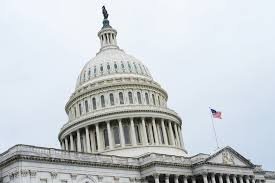
End of the Deadlock: US House Restores Funding to the Department of Homeland Security
After a staggering 70-day period of budgetary paralysis, the U.S. House of Representatives has finally passed a measure to fund the Department of Homeland Security (DHS). This decision marks the end of a record-breaking partial government shutdown that left thousands of federal employees in professional limbo and sparked a heated debate over immigration enforcement.
The Core of the Conflict: ICE and Political Divisions
The primary catalyst for this shutdown was a profound ideological divide between Democrats and Republicans regarding the practices of Immigration and Customs Enforcement (ICE). While Republicans maintained steadfast support for the agency, Democrats sought to impose significant restrictions on its operations.
The tension escalated following tragic incidents in Minneapolis, where two Americans, Renee Good and Alex Pretti, were fatally shot by federal agents. These events amplified calls from Democratic leaders, including Hakeem Jeffries, who argued that taxpayer funds should prioritize affordability for citizens rather than funding agencies accused of brutality.
Real-World Impacts of the Budgetary Paralysis
A “shutdown” is more than just a political stalemate; it has tangible consequences for both government workers and the general public. During this period:
- n
- Federal Employee Hardship: Thousands of workers were placed on technical unemployment, with paychecks frozen for over two months.
- Travel Chaos: The TSA (Transportation Security Administration) saw a significant rise in absenteeism as agents refused to work without pay, leading to massive queues and delays at major U.S. airports.
- Emergency Funding: To prevent total collapse, the White House briefly released exceptional funds to pay DHS agents, though officials warned these reserves were nearly exhausted.
The Path to Resolution
The resolution came when the House eventually adopted a text previously agreed upon by the Senate. This bill restores funding to the majority of the DHS, although the long-term financing for ICE and the Customs and Border Protection (CBP) remains a point of contention. Republican Senator Lindsey Graham emphasized that while the immediate crisis is over, the work is not finished, pushing for a separate bill to secure three years of funding for border agencies.
Conversely, Democratic Representative Rosa DeLauro criticized the delay, suggesting that the irresponsible timing of the Republican leadership caused unnecessary harm to federal employees.
Why This Matters Globally
The stability of the U.S. government is a key indicator for global markets and international diplomacy. For those following global political trends, the ability of the U.S. Congress to manage its budget without descending into chaos is critical for maintaining international trust and security partnerships.
As the bill now moves toward final promulgation, the U.S. government hopes to avoid further disruptions in essential services, ensuring that airport security and national defense remain operational without the threat of another funding lapse.



