
A Ghost From the Deep: The Return of the US Coast Guard Cutter Tampa
For over a century, the depths of the Atlantic Ocean held a somber secret. In the evening twilight of September 26, 1918, a single torpedo from a German submarine changed everything for the crew of the United States Coast Guard Cutter Tampa. Within three minutes of the strike, the vessel vanished, taking 131 brave souls with it.
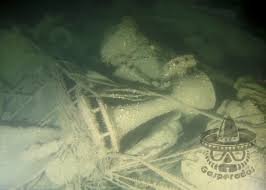
Now, after 107 years of silence, the mystery has finally been solved. A dedicated team of divers has located the wreckage, bringing a sense of closure to a tragedy that remains the largest naval loss for US forces during World War I.
The Search and Discovery
The breakthrough came through the tireless efforts of the British Gasperados Dive Team, a group of volunteer technical divers who collaborate with historians to uncover lost history. After three years of intensive research and ten separate diving expeditions, the team located the Tampa at a depth of 300 feet (91 meters), approximately 50 miles off the coast of Cornwall, England.
“This discovery is the result of three years of research and exploration. TAMPA is of huge importance to the United States and the relatives of everyone who died that day,” shared Steve Mortimer, the dive team leader.
To confirm the identity of the wreck, the United States Coast Guard provided critical archival data, including images of the ship’s wheel, weaponry, and bell, ensuring that this was indeed the lost cutter.
The Tragic Final Voyage of 1918
The story of the Tampa is one of duty and misfortune. On September 17, 1918, the ship was engaged in convoy duty. However, by September 26, the vessel was running dangerously low on coal. After receiving permission to leave the convoy to refuel in Wales, the ship became an isolated target.
At approximately 8:15 p.m., the German submarine UB-41 spotted the silhouette of the cutter against the horizon. A single torpedo struck midships, followed by a secondary explosion—likely caused by igniting coal dust or depth charges—sending the ship to the ocean floor almost instantly.
A Diverse Crew of Heroes
The loss of the Tampa was not just a military blow, but a human tragedy. The 131 crew members represented a melting pot of bravery:
- n
- 111 Coast Guardsmen from various US regions.
- 4 US Navy sailors.
- 16 British nationals, including civilians and Royal Navy personnel.
- Immigrants from Norway and Russia.
- Pioneers: Eleven Black Coast Guardsmen were aboard, marking the first minority members of the service killed in combat.
Honoring the Sacrifice Through Technology
The discovery of the wreck is more than just an archaeological feat; it is a connection to a legacy of sacrifice. Coast Guard Commandant Admiral Kevin Lunday emphasized that locating the vessel reminds the service that “devotion to duty endures.”
Looking forward, the Coast Guard is not stopping at the discovery. Plans are already in motion to further explore the site using autonomous systems and robotics, allowing historians to study the wreckage without risking human lives.
For more information on the naval history of the Great War, you can visit the National Archives to explore the records of the era.



