
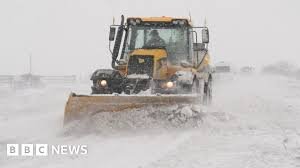
UK Gripped by Severe Snow and Ice Warnings: What You Need to Know
As biting Arctic air sweeps across the United Kingdom, vast swathes of the nation are bracing for a prolonged period of severe snow and ice warnings. From the Scottish Highlands to the southern coasts of England and Wales, residents are urged to prepare for significant disruption and potentially hazardous conditions.
Widespread Warnings and Forecasts
The Met Office has issued extensive yellow snow and ice warnings covering Scotland, the south-west, north-west, and east coast of England, as well as Wales and Northern Ireland. These alerts remain in effect until Monday, signaling continued treacherous conditions.
- Heavy Snowfall: Parts of Scotland have already seen substantial snowfall, with forecasts predicting up to 40cm (15in) in some areas. England and Wales could experience up to 5cm (2in).
- Sub-Zero Temperatures: Daytime temperatures are expected to hover in the low single figures across much of the country, plummeting well below freezing overnight. Northern Scotland faces temperatures as low as -6°C to -8°C, while rural areas of England, Wales, and Northern Ireland could see -4°C to -5°C.
- Expired Amber Alerts: Earlier amber warnings for parts of the north-east, Highland, Perth and Kinross, Shetland, and Angus have now expired, but dangerous conditions persist under yellow advisories.
Travel and Infrastructure Disruption Expected
The impact of this severe winter weather is already being felt across the transport network and could lead to widespread issues:
- Roads: Motorists are advised to expect significant delays and disruption. National Highways has reported multiple crashes in regions like Derbyshire, Leicestershire, and Nottinghamshire, urging drivers to seek alternative routes and drive with extreme caution.
- Rail and Air: ScotRail has warned of potential train cancellations and delays, and other operators may follow suit. Air travel could also face interruptions.
- Power Cuts: The combination of heavy snow and strong winds increases the risk of power outages, particularly in more exposed or rural areas.
Local authorities, such as the Highland Council, have strongly advised against non-essential travel. For the latest travel updates, consult official sources like National Highways or your local transport provider.
Health Alert: The Cold’s Severe Impact
Beyond travel, the intense cold snap poses a serious public health concern. The UK Health Security Agency (UKHSA) has issued amber cold health alerts across much of England, valid until January 9th. This signifies a severe impact on health and social care services.
Health Secretary Wes Streeting has underscored the added pressure on NHS hospitals, urging the public to use A&E services only for genuine emergencies.
Who is Most at Risk?
The prolonged exposure to such low temperatures can have severe health consequences, particularly for vulnerable groups:
- Individuals over the age of 65.
- Those with pre-existing health conditions (e.g., heart, respiratory, or circulatory issues).
- Babies and young children.
Risks include an increased likelihood of heart attacks, strokes, chest infections, and dangerous falls due to icy conditions. For comprehensive health advice during cold weather, visit the NHS website.
Essential Safety Advice for Snow and Ice
Preparation is key to navigating these challenging conditions safely. Here’s how you can stay safe and minimize risks:
- Plan Ahead: Check the latest weather warnings snow forecasts and travel updates before venturing out. The Met Office website is an excellent resource.
- Travel Prepared: If travel is unavoidable, plan your route carefully. Pack an emergency kit in your car including warm clothing, blankets, water, food, a fully charged phone, a shovel, and an ice scraper.
- Home Safety: Keep your home warm, ideally above 18°C (64°F). Check on elderly or vulnerable neighbors and relatives. Be mindful of frozen pipes.
- Footwear: Wear appropriate footwear with good grip to reduce the risk of falls on icy surfaces.
- Conserve Energy: If power cuts occur, prioritize keeping warm and ensure you have alternative light sources like torches (with spare batteries), not candles.
Stay Informed
Conditions can change rapidly. Stay updated with the latest forecasts and alerts from reputable sources like the BBC Weather website or app. Your vigilance and preparedness can make a significant difference in staying safe during this challenging cold snap.



