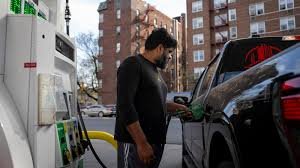
Gas Prices: Understanding the Fluctuations and How to Save Money
Ever pulled into a gas station only to find that the numbers on the pump have jumped overnight? You aren’t alone. Gas prices are one of the most volatile expenses in a typical household budget, and understanding why they move can help you plan your finances better.
In this guide, we will dive deep into the mechanics of fuel pricing and provide you with actionable strategies to keep more money in your pocket.
What Really Drives Gas Prices?
Many people believe that local gas station owners simply decide to raise prices on a whim. While retail margins play a small role, the actual cost of gasoline is influenced by several global and domestic factors:
- Crude Oil Costs: This is the biggest factor. Since oil is a globally traded commodity, geopolitical tensions in oil-producing regions can cause immediate spikes.
- Refining Capacity: Crude oil must be processed into gasoline. If a refinery goes offline due to maintenance or weather (like hurricanes in the Gulf Coast), supply drops and prices rise.
- Seasonal Demand: Gas prices often climb during the summer “driving season” when more people take road trips, increasing the overall demand.
- Taxes and Regulations: Federal and state taxes contribute to the final price you see at the pump.
For real-time data on energy trends, you can check the U.S. Energy Information Administration (EIA), which provides detailed reports on petroleum production and pricing.
How to Save Money on Gas: 5 Proven Tips
While you can’t control the global oil market, you can control how much you spend. Here are the most effective ways to reduce your fuel expenses:
1. Use Price Comparison Apps
Prices can vary significantly between stations just a few blocks apart. Use apps like GasBuddy or Google Maps to find the cheapest fuel in your immediate area before you leave the house.
2. Maintain Your Vehicle
A poorly maintained car consumes more fuel. Ensure your tires are properly inflated; under-inflated tires create more rolling resistance, forcing your engine to work harder. Regular oil changes and air filter replacements also optimize efficiency.
3. Adjust Your Driving Habits
Aggressive driving—such as rapid acceleration and hard braking—can lower your gas mileage by as much as 33% on the highway. Maintaining a steady speed and using cruise control is a great way to save.
4. Join Loyalty Programs
Many gas station chains offer rewards programs that provide a few cents off per gallon after a certain amount of spending. If you have a favorite brand, sign up for their app to accumulate points.
5. Avoid Idling
If you are waiting for someone for more than a minute, turn off your engine. Idling can waste a significant amount of fuel over time without moving you a single inch.
The Future of Fuel Costs
As the world shifts toward electric vehicles (EVs) and hybrid technology, the reliance on traditional gasoline may decrease. However, for those still relying on internal combustion engines, staying informed about market trends is the best defense against price hikes.
For more travel and automotive cost-saving tips, we recommend visiting AAA (American Automobile Association), a leading authority on road safety and travel expenses.
Final Thoughts
Monitoring gas prices might seem tedious, but with a few small changes to your driving habits and a bit of planning, you can significantly lower your monthly spending. Start by checking your tire pressure today and using a price-tracking app for your next fill-up!