
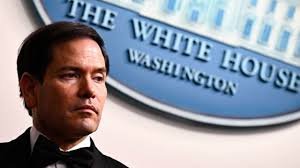
Unpacking Global Tensions: Marco Rubio’s Insights on Fox News
In a wide-ranging and high-stakes interview with Trey Yingst on Fox News, U.S. Secretary of State Marco Rubio provided a deep dive into the current state of American leadership and the volatile geopolitical landscape. From domestic security breaches to the brink of nuclear escalation in the Middle East, Rubio offered a candid perspective on the challenges facing the United States.
Leadership Amidst Chaos: The White House Incident
One of the most striking moments of the conversation with Trey Yingst centered on the recent shooting during the White House Correspondents’ Dinner. Rubio characterized the event as an “unfortunate situation,” reflecting a volatile global climate. However, he took the opportunity to praise President Donald Trump’s response.
According to Rubio, the President’s decision to return to the White House and address the public with full transparency was a masterclass in leadership. He noted that this decisive action helped calm the nation and allowed the administration to pivot quickly toward the investigation and the essential work of governing.
The Iran Nuclear Threat and the Strait of Hormuz
The dialogue shifted toward the complex relationship with Iran. Rubio expressed grave concerns regarding the Iranian government, which he described as being run by “radical Shia clerics.” He highlighted a critical internal fracture within Tehran, where political officials and hardline factions are deeply divided.
A key point of contention discussed was the Strait of Hormuz. Rubio was firm: the U.S. will not accept any arrangement that grants Tehran control over this vital international waterway. He warned that allowing Iran to impose fees or regulate access would set a dangerous global precedent, undermining international maritime laws.
Hezbollah, Lebanon, and the Gaza Stalemate
Rubio clarified the U.S. and Israeli strategy regarding Lebanon, emphasizing that the conflict is specifically with Hezbollah, not the Lebanese state. The goal is to empower the Lebanese Armed Forces to dismantle Hezbollah from within, reducing the need for external Israeli military operations.
Regarding the crisis in Gaza, Rubio outlined a clear condition for a lasting ceasefire: the complete disarmament and demilitarization of Hamas. While noting promising signs and the diplomatic efforts of Egypt and Turkey, he stressed that security can only be guaranteed through a vetted Palestinian security force backed by international support.
Beyond the Middle East: Cuba and China
Closing the interview with Trey Yingst, Rubio touched upon other strategic threats:
- n
- Cuba: Described as a “failing state,” Rubio warned that Cuba has become a hub for adversaries like Russia and China to operate close to U.S. shores.
- China: The Secretary reiterated that intellectual property theft remains a primary threat to both the economic stability and national security of the United States.
For more detailed analysis on U.S. foreign policy, you can visit the U.S. Department of State official website.



