
Tornado Watch vs Warning: What You Need to Know to Stay Safe
When severe weather strikes, the difference between a tornado watch and a tornado warning can be a matter of life and death. Recent events in Central Illinois have served as a stark reminder of how quickly a stormy afternoon can turn into a dangerous emergency.
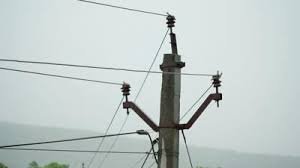
On a recent Monday, residents across Central Illinois faced the brunt of a powerful storm system. From wind gusts exceeding 50 miles per hour to heavy hail and rain, the impact was widespread. In the aftermath, nearly 23,000 customers were left without power, with significant outages reported in Champaign, Logan, Macon, DeWitt, and Piatt counties. While the physical damage to the power grid was extensive, these events highlight the importance of understanding weather alerts.
Tornado Watch: Be Prepared
A Tornado Watch is essentially a “heads up.” It means that weather conditions are favorable for the development of tornadoes. It does not mean a tornado has been spotted; rather, it means the “ingredients” for a tornado are present in the atmosphere.
What to do during a watch:
- n
- Stay tuned to local news or a National Weather Service (NWS) radio.
- Review your family’s emergency plan.
- Ensure your devices are charged (critical during events like the Illinois storms where power outages are common).
- Keep an eye on the sky for darkening clouds or rotating walls of clouds.
n
n
n
n
Tornado Warning: Take Action Now
A Tornado Warning is much more urgent. A warning is issued when a tornado has actually been sighted on the ground by a spotter or indicated by weather radar. This means there is an immediate danger to life and property.
What to do during a warning:
- n
- Move to a basement, storm cellar, or an interior room on the lowest floor.
- Stay away from windows and glass doors.
- If you are in a mobile home or vehicle, abandon it immediately for a sturdy building.
- Protect your head with your arms or a mattress.
n
n
n
n
Real-World Impact: The Central Illinois Case
The recent storms in Illinois demonstrate why these alerts matter. The transition from a “watch” to a “warning” can happen in minutes. With winds gusting over 50 mph and multiple tornado touchdowns reported, thousands were caught in a volatile situation. The scale of the outages—with over 2,600 people out of power in Champaign County alone—shows how severe weather can paralyze local infrastructure.
Pro Tip: Always have a backup power source or a manual way to receive alerts, as severe storms often knock out cellular towers and electricity, as seen in the recent Illinois outages.
Quick Summary: Watch vs. Warning
| Feature | Tornado Watch | Tornado Warning |
|---|---|---|
| Meaning | Conditions are favorable. | Tornado is occurring or imminent. |
| Action | Be alert and prepared. | Seek shelter immediately. |
| Urgency | Moderate. | Extreme/Immediate. |
By staying informed and knowing exactly how to react to these alerts, you can protect yourself and your loved ones from the devastating effects of severe weather. For more official safety guidelines, visit Ready.gov.



