
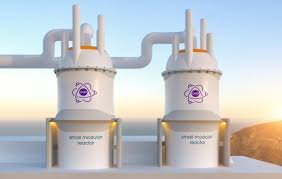
SMR Stock: Is NuScale Power the Future of Nuclear Energy or a Speculative Gamble?
The energy sector is witnessing a pivotal shift toward sustainable, high-output power sources, and Small Modular Reactors (SMRs) are at the forefront of this revolution. Among the key players, NuScale Power (SMR stock) has emerged as a polarizing figure for investors. While the company holds a significant regulatory lead, its stock performance has been a rollercoaster, dropping nearly 70% over the last six months.
But does this dip represent a buying opportunity, or is it a warning sign? Let’s dive deep into the fundamentals of NuScale Power and the broader SMR landscape.
The NuScale Advantage: Regulatory First-Mover
In the world of nuclear energy, the biggest hurdle isn’t just engineering—it’s regulation. This is where NuScale Power currently holds a massive edge. NuScale is the only SMR developer with a design approved by the U.S. Nuclear Regulatory Commission (NRC).
Why This Matters
- n
- Legal Deployment: Because of the NRC approval for its 77-megawatt design, NuScale is technically the only U.S. company capable of legally deploying an SMR plant today.
- Proven Technology: Unlike some competitors, NuScale uses light-water reactor technology. Since this is the same cooling method used in 96% of current nuclear plants, regulators are far more comfortable with its safety profile.
NuScale vs. Oklo: A Clash of Technologies
When analyzing SMR stock, investors often compare NuScale with Oklo (OKLO). While Oklo has captured significant market attention, the two companies operate on very different philosophies:
| Feature | NuScale Power (SMR) | Oklo (OKLO) |
|---|---|---|
| Cooling Method | Light-Water (Traditional) | Liquid Sodium (Novel) |
| NRC Status | Approved | Pending |
| Approach | Scaling down existing tech | Reinventing reactor cooling |
While Oklo’s approach is innovative, the lack of commercial testing for liquid sodium in the U.S. makes its regulatory path more uncertain compared to NuScale.
The Red Flags: Cost and Execution
If NuScale has the regulatory lead, why is the stock struggling? The answer lies in capital expenditure and revenue.
Despite its approvals, NuScale has yet to generate significant revenue from an actual SMR sale. There are two major concerns haunting the company:
- Staggering Costs: The planned project in Romania, designed to generate 460 megawatts, could cost upwards of $7 billion. This challenges the core promise of SMRs: that they would be cheaper and easier to deploy than traditional plants.
- Project Failures: The cancellation of the Carbon Free Power Project (CFPP) due to rising costs served as a wake-up call for investors regarding the financial viability of these modules.
Final Verdict: Is SMR Stock a Buy?
Investing in NuScale Power is currently a speculative play. You are essentially betting on whether the company can transition from “regulatory winner” to “commercial success.”
If NuScale can secure large-scale contracts and bring down the cost per megawatt, it could dominate the energy transition. However, if costs remain prohibitive, more innovative (though riskier) technologies like those from Oklo might eventually overtake them.
For more insights into the future of carbon-free energy, you can explore the International Atomic Energy Agency (IAEA) resources on SMR development.



