
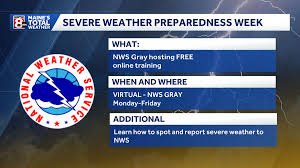
When Seconds Count: Why Severe Weather Preparedness is Non-Negotiable
When the sky turns an ominous shade of gray and the wind begins to howl, the difference between safety and disaster often comes down to one thing: preparedness. Across Maine and New Hampshire, the National Weather Service (NWS) is leading a critical mission during Severe Weather Preparedness Week to ensure that communities are not just aware, but ready to act.
The NWS office in Gray, Maine, is spearheading an educational campaign designed to demystify weather patterns and provide citizens with the tools they need to protect their families. From understanding complex terminology to knowing exactly where to run when a siren sounds, being informed is your first line of defense.
The Blueprint for Safety: What You Need to Know
Severe Weather Preparedness Week isn’t just a date on the calendar; it is a structured guide to survival. The National Weather Service focuses on several key pillars of safety throughout the week:
- n
- Terminology Mastery: Understanding the specific language used in weather alerts so you can react appropriately.
- Thunderstorms & Tornadoes: Identifying the signs of rotating clouds and severe electrical storms.
- Flash Flood Risks: Learning why “Turn Around, Don’t Drown” is the most important rule on the road.
- Real-Time Information: How to stay connected to reliable updates as conditions shift rapidly.
- Immediate Action: Essential safety practices to implement the moment a warning is issued.
For those who prefer interactive learning, the agency provides a comprehensive online story map that makes navigating these risks much more intuitive.
Watch vs. Warning: Do You Know the Difference?
One of the most critical roles of the National Weather Service is issuing timely alerts. However, many people confuse a “Watch” with a “Warning.” Here is the breakdown:
- n
- Weather Watch: Conditions are favorable for severe weather. This is your signal to prepare and stay alert.
- Weather Warning: Severe weather is occurring or imminent. This is the signal to take cover immediately.
Building Your Personal Emergency Plan
While the NWS provides the data, your personal plan provides the safety. Relying on luck is not a strategy. To ensure the safety of your loved ones, follow these actionable steps:
- Identify Your Safe Zone: Whether at home, work, or school, locate the lowest interior room or a reinforced shelter.
- Plan for the Outdoors: If you are camping or traveling, identify the nearest sturdy building. Avoid staying in vehicles or mobile homes during high-wind events.
- Practice the Routine: A plan is only effective if everyone in the household knows how to execute it without hesitation.
For more detailed checklists on building an emergency kit, visit Ready.gov, the official source for disaster preparedness in the US.
Final Thoughts: Proactive Safety Saves Lives
Severe weather develops with terrifying speed, often leaving only a few minutes to react. By leveraging the expertise of the National Weather Service and taking the time to plan today, you can move from a state of anxiety to a state of confidence. Stay informed, stay alert, and most importantly, stay safe.



