The Glittering Facade: Why Sanitized Biopics Dominate the Box Office
It is a recurring pattern in modern cinema: critics pan a movie for being a “whitewash” or a “glorified trailer,” yet audiences flock to theaters in record-breaking numbers. The latest example is the Michael Jackson biopic. Despite reviews labeling it as “ghoulish” and “cruise-ship entertainment,” the film shattered records for the biggest opening in biopic history, netting over $217 million in its first weekend alone.
This raises a provocative question: If we know these films are often sanitized versions of reality—carefully curated by estates and legal teams—why are we still so captivated by them?
The Quest to Decode Genius
Beyond the obvious draw of hearing a beloved musical catalogue on the big screen, there is a deeper psychological drive at play. Humans have an ancestral obsession with understanding the “secret” of genius. From Plutarch’s Parallel Lives two millennia ago to the Romantic poets, we have struggled to accept that extraordinary talent might simply exist without a specific, explainable cause.
We crave a narrative. We want to believe that specific childhood traumas or life-changing experiences are the direct catalysts for masterpieces like Thriller or Bohemian Rhapsody. We seek a formula for brilliance, even when the greatest films in history suggest that genius is often an irreducible mystery.
The Cost of the “Authorized” Version
In the case of the Michael Jackson film, the gap between truth and cinema is staggering. The narrative conveniently halts in 1988, effectively erasing the child sexual abuse allegations that defined the latter half of Jackson’s life. This wasn’t just an artistic choice; it was a legal necessity. A settlement clause barred the mention of specific accusers, leading the production to scrap and reshoot entire segments of the movie.
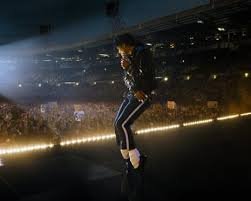
What we are left with is a visually stunning performance by Jaafar Jackson, but a hollow portrait of the man himself. By removing the moral conundrums and the darker contradictions, the film transforms a complex human being into a polished product.
Hollywood’s Blueprint for Profit
For studio executives, the music biopic is the ultimate low-risk, high-reward investment. It offers:
- n
- A Built-in Fanbase: Millions of loyal followers ready to buy tickets.
- Ready-made Soundtracks: Music that already evokes deep emotional nostalgia.
- Cross-generational Appeal: Content that attracts both the original fans and new Gen-Z listeners.
The industry learned a valuable lesson from the commercial triumph of Bohemian Rhapsody (2018). Despite criticisms regarding its depiction of Freddie Mercury’s sexuality and illness, the film proved that audiences don’t necessarily want complexity—they want a feel-good experience. This has paved the way for a wave of biopics, from Elvis and Bob Dylan to the upcoming Beatles projects by Sam Mendes.
Beyond the “Blue Plaque” Cinema
Authorized biopics are essentially the cinematic equivalent of “blue plaques”—they tell us someone important lived here, but they don’t tell us who they actually were. To truly understand an artist, we must be willing to engage with the “mad dogs of glory,” as Charles Bukowski once described the damaged titans of art.
Geniuses are fallible, and often, their greatness is inextricably linked to their flaws. If we continue to accept sanitized versions of history, we lose the opportunity to understand the messy, uncomfortable, and authentic human experience that actually fuels great art. True understanding requires a depth that a blockbuster movie, bound by legal contracts and profit margins, simply cannot provide.