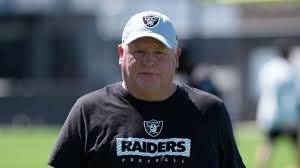
Chip Kelly’s Unconventional Legacy: Reshaping Football, One Snap at a Time
In the ever-evolving landscape of American football, few names ignite as much debate and fascination as Chip Kelly. A true innovator, Kelly burst onto the national scene with a style of play that defied convention, forcing coaches at every level to rethink their strategies. His journey from offensive coordinator to head coach in both college and the NFL has been marked by thrilling highs, tough lessons, and an undeniable influence on how the game is played today.
The Oregon Blur: A Collegiate Revolution
Chip Kelly’s initial impact was nothing short of revolutionary during his tenure at the University of Oregon. Taking the reins of the Ducks’ program, he unveiled an up-tempo, no-huddle offensive scheme that became famously known as the "Oregon Blur." This system prioritized speed, deception, and relentless pressure on opposing defenses, often leaving them winded and bewildered.
Under Kelly, Oregon became a perennial powerhouse, transforming into a national championship contender. His teams consistently ranked among the nation’s elite in scoring and total offense, captivating fans with their explosive plays and innovative strategies. The success at Oregon wasn’t just about winning; it was about fundamentally altering the perception of modern college football offense. For more on college football trends, visit NCAA.com.
Kelly’s Key Innovations at Oregon Included:
- High-Tempo, No-Huddle Offense: Minimizing time between plays to keep defenses off-balance.
- Advanced Sports Science: Integrating nutrition, sleep tracking, and recovery methods for peak player performance.
- Player-Centric Development: A focus on individual growth and tailoring schemes to player strengths.
- Data-Driven Decision Making: Utilizing analytics to inform practice methods and game-day calls.
NFL Stint: High Hopes, Hard Lessons
After dominating college football, Chip Kelly made the leap to the National Football League, becoming the head coach of the Philadelphia Eagles in 2013. His arrival was met with immense excitement and speculation: could his revolutionary college system translate to the professional ranks? Initially, it appeared promising. Kelly led the Eagles to a division title in his first season, demonstrating flashes of his offensive genius.
However, the NFL presented a different set of challenges. The parity of talent, the strict salary cap, and the complexity of player personnel decisions tested Kelly’s holistic approach. While he enjoyed some success, his tenures with both the Eagles and later the San Francisco 49ers ultimately proved to be short-lived. His unconventional methods and personnel decisions often clashed with traditional NFL philosophies, highlighting the unique demands of the professional game. Learn more about NFL coaching careers at NFL.com.
Back to the Pac-12: The UCLA Chapter
Following his NFL experience, Chip Kelly returned to college coaching, taking over the UCLA Bruins in 2018. His return to the Pac-12 Conference brought renewed interest in how he would adapt his coaching philosophy. At UCLA, Kelly has faced the challenge of rebuilding a storied program, emphasizing player development and establishing a consistent identity. While the journey has had its ups and downs, his presence continues to influence the strategic landscape of college football.
The Kelly Philosophy: Beyond X’s and O’s
Regardless of the outcomes, Chip Kelly’s fundamental coaching philosophy remains deeply impactful. He’s always been a proponent of speed, efficiency, and ensuring his players are in peak physical and mental condition. His commitment to sports science and innovative practice methods paved the way for many contemporary approaches in football. He prioritizes player welfare, viewing the game through a lens that emphasizes preparation, recovery, and a systematic approach to gaining every possible edge.
Chip Kelly’s Enduring Impact on Football
Even years after his most dominant runs, Chip Kelly’s influence on football strategy is undeniable. His pioneering work with up-tempo offenses at Oregon forced defensive coordinators to develop new ways to counter speed and spread formations. The principles he championed – from sports science integration to data analytics – are now standard practice across many programs. He might not always have won every battle, but he certainly pushed the boundaries of what was considered possible, leaving an indelible mark on how coaches approach the game today. For analyses on football coaching trends, you can always check reputable sports news sites like ESPN.com.
Whether you’re a fan of his style or not, one thing is clear: Chip Kelly is a coach who dared to be different. His unconventional legacy is a testament to the power of innovation in sports, forever changing the conversation around offensive strategy and player development in American football.