
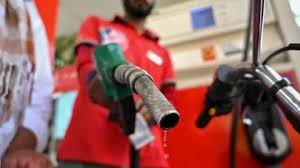
Oil Prices Surge: The Ripple Effect of Geopolitical Instability in the Middle East
The global energy market is once again on edge. Oil prices have seen a significant uptick following the collapse of a second round of peace negotiations between the United States and Iran. This geopolitical friction has sent shockwaves through the markets, leaving investors and consumers wondering when stability will return.
Currently, the global benchmark Brent crude has climbed nearly 2%, reaching approximately $107.26 a barrel, while US-traded crude has risen by 1% to hit $95.40. The volatility stems from a sudden shift in diplomatic strategy, with US President Donald Trump announcing the cancellation of a planned negotiation team’s trip to Pakistan.
The Strait of Hormuz: A Global Energy Choke Point
At the heart of this crisis is the Strait of Hormuz, one of the most critical maritime passages in the world. With the conflict escalating, this vital waterway has been effectively closed, creating a massive bottleneck for global energy supplies.
To put this into perspective, roughly one-fifth of the world’s total crude oil and liquefied natural gas (LNG) typically flows through this narrow strait. Any disruption here doesn’t just affect fuel prices; it threatens the entire energy security framework of developed nations.
Beyond the Pump: How Oil Shortages Hit Your Wallet
Many people assume that rising oil prices only mean more expensive gasoline. However, the reality is far more complex. According to Sophie Huynh, a strategist at BNP Paribas, the closure of the Strait of Hormuz can trigger a domino effect across various industries.
Because oil is a primary feedstock for countless products, a shortage can impact the cost of:
- Medical supplies: Many pharmaceuticals rely on petroleum-based chemicals.
- Household goods: Even simple items like bin bags are derived from plastic polymers produced via oil.
- Logistics: Increased shipping costs lead to higher retail prices for almost all imported goods.
As Huynh warns, if the strait remains closed for more than a few weeks, the resulting supply chain disruptions will be “really far reaching.”
Market Reaction and the Path to Recovery
Despite the tension, some financial markets are showing surprising resilience. In Asia, stock markets have hit record highs. Japan’s Nikkei 225 and South Korea’s Kospi have seen significant gains over the past month, despite these economies being heavily dependent on Gulf energy.
However, oil traders remain cautious. Many are ignoring the “fragile” headlines and waiting for concrete, credible evidence that the conflict is easing. The market is no longer satisfied with temporary ceasefires; it demands a sustainable diplomatic resolution.
What to Watch Next
The world now looks toward the diplomatic efforts of Oman and the discussions between Iranian officials and Russian President Vladimir Putin. Whether these bilateral talks can reopen the Strait of Hormuz will determine if oil prices continue their upward trajectory or begin to stabilize.
For more detailed analysis on global energy trends, you can visit the International Energy Agency (IEA) or follow real-time market updates on Bloomberg.



