
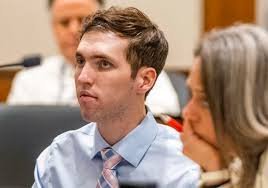
The New Media Circus: Tyler Robinson Trial and the Ghost of the OJ Simpson Era
In the annals of legal history, few cases have illustrated the volatile intersection of media coverage and judicial fairness as vividly as the OJ Simpson trial. Today, a new high-profile case in Utah is echoing those same tensions, as attorneys for Tyler Robinson fight a desperate battle to keep cameras out of the courtroom.
Tyler Robinson, the man accused of the fatal shooting of prominent conservative activist Charlie Kirk, finds himself at the centre of a legal storm. As the proceedings unfold, the courtroom has become a battlefield not just over evidence, but over the very nature of transparency in the digital age.
The Battle for a Fair Trial: Cameras vs. Justice
Robinson’s defence team, led by attorney Michael Burt, is pushing for a ban on cameras and audio recording devices. Their argument is simple yet profound: the relentless media coverage has already tainted the potential jury pool, creating a prejudicial environment that mirrors the “trial by media” seen in legendary cases like that of OJ Simpson.
The defence contends that the public’s perception has been shaped by sensationalism rather than facts. To support this, they presented a montage of news clips—including segments from CNN—that focused more on Robinson’s body language and perceived “likeability” than on the actual legal merits of the case.
The Psychology of Prejudice
To further their point, the defence called upon cognitive psychologist Christine Ruva. Ruva introduced the court to the “primacy effect,” a psychological phenomenon where the first information a person receives carries the most weight. In this case, she argued that the overwhelmingly negative pre-trial publicity could fundamentally bias jurors, affecting how they process evidence and deliberate in the jury room.
The Prosecution’s Stance: Light as a Disinfectant
On the other side of the aisle, prosecutors argue that secrecy is the breeding ground for misinformation. Prosecutor Chad Grunander highlighted the danger of conspiracy theories surrounding the public assassination of Charlie Kirk, stating that the “antidote” to such speculation is the transparency of real, televised proceedings.
This push for openness is supported by a coalition of news outlets and Erika Kirk, the victim’s widow and current leader of the Turning Point USA organization, who believe the public has a right to witness the pursuit of justice.
Key Legal Hurdles and Evidence Disputes
Beyond the media circus, the case faces significant evidentiary challenges. The defence has raised several critical points:
- n
- Ballistics Uncertainty: Filings suggest government experts have been unable to conclusively link a bullet fragment from the autopsy to the rifle found near the scene.
- Privacy Violations: The defence cited previous instances where videographers captured privileged conversations between Robinson and his lawyers, as well as images of his shackles.
- The DNA Gap: Attorneys are seeking a delay in the preliminary hearing, claiming they are “handcuffed” because the prosecution has yet to provide a complete DNA analysis report.
What Happens Next?
The stakes could not be higher. Prosecutors intend to seek the death penalty for the charges, which include aggravated murder, felony use of a firearm, obstruction of justice, and witness tampering.
Judge Tony Graf is now tasked with balancing the public’s right to know with the defendant’s constitutional right to a fair trial. A ruling on both the camera ban and the request to delay the preliminary hearing is expected on May 8.
As the world watches, the Robinson case serves as a modern reminder of the delicate balance between the court of law and the court of public opinion—a struggle that has defined high-profile American jurisprudence since the days of the most famous trials in history.



