
Trump Shakes Up Iran Diplomacy: ‘Just Call Me,’ Says US President as Envoy Trips are Cancelled
The diplomatic tug-of-war between the United States and Iran has taken a dramatic turn. In a move characteristic of his unpredictable foreign policy style, US President Donald Trump has abruptly cancelled plans for his envoys to travel to Pakistan for talks with Iranian officials.
Despite previous hints that Iran was “making an offer” to resolve the conflict that began on February 28, the President has decided that the cost—both in time and prestige—of face-to-face negotiations in Islamabad is currently too high.
“No More 18-Hour Flights”: Trump’s Hardline Stance
Speaking with Fox News, President Trump revealed that he ordered Steve Witkoff and Jared Kushner to scrap their travel plans. His reasoning? A belief that the United States holds all the leverage in the current standoff.
“I said, ‘Nope, you’re not making an 18-hour flight to go there. We have all the cards. They can call us anytime they want, but you’re not going to be making any more 18-hour flights to sit around talking about nothing,'” Trump stated.
The President further amplified this sentiment on social media, suggesting that any future dialogue should happen via telephone: “If they want to talk, all they have to do is call!!!”
Iran’s Diplomatic Tour: Seeking a “Workable Framework”
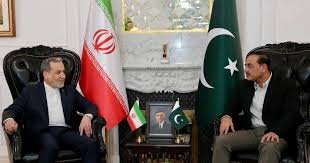
While the US pulls back from physical meetings, Iran is intensifying its regional diplomatic efforts. Foreign Minister Abbas Araghchi has already departed Islamabad after meeting with key Pakistani leaders, including Prime Minister Shehbaz Sharif and Army chief Field Marshal Asim Munir.
According to Araghchi, the goal of these missions is to establish a workable framework to permanently end the war. However, the Iranian minister expressed skepticism regarding the US commitment to peace, questioning if Washington is “truly serious about diplomacy.” Following his visit to Pakistan, Araghchi moved on to Muscat, Oman, with further stops planned in Russia.
The Global Stakes: The Strait of Hormuz and Energy Markets
Beyond the political rhetoric, the conflict has severe implications for the global economy. The standoff is centered around the Strait of Hormuz, a critical maritime chokepoint through which approximately 20% of the world’s oil and liquefied natural gas (LNG) shipments pass.
The current situation is precarious due to several factors:
- Military Presence: The US maintains a naval blockade and over 50,000 troops in the region, ready for combat operations.
- Iranian Resistance: The Islamic Revolutionary Guard Corps (IRGC) has stated it has no intention of ending the blockade of the waterway.
- Market Turmoil: Energy markets remain volatile as the threat of a total shutdown of the Strait looms.
What Happens Next?
When asked by Axios if the cancelled trip signaled a return to open hostilities, Trump responded cryptically, stating, “No. It doesn’t mean that. We haven’t thought about it yet.”
With Trump claiming that the Iranian leadership is mired in “tremendous infighting and confusion,” and Iran continuing its diplomatic outreach to Russia and Oman, the world watches to see if a phone call will be enough to prevent a wider regional escalation.



