
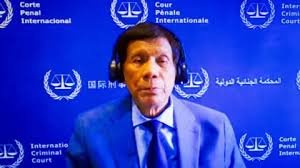
Justice for the Philippines: Rodrigo Duterte to Stand Trial at the ICC for Crimes Against Humanity
In a landmark decision for international justice, the International Criminal Court (ICC) has confirmed that former Philippine President Rodrigo Duterte will stand trial for crimes against humanity. The 81-year-old leader is accused of overseeing a brutal campaign of extrajudicial killings during his notorious “war on drugs,” which spanned from 2011 to 2019.
This decision marks a pivotal moment for human rights advocates and the thousands of families affected by the violence that gripped the Philippines for nearly a decade.
The Legal Battle: Why the ICC Has Jurisdiction
The road to this trial has been fraught with legal disputes. Duterte has consistently refused to recognize the proceedings, arguing that the Philippines withdrew from the Rome Statute (the ICC’s founding treaty) in 2019. However, the ICC’s Pre-Trial Chamber has delivered a definitive ruling:
- n
- Temporal Jurisdiction: Because the alleged crimes occurred between 2011 and 2019, the court maintains jurisdiction as the Philippines was a member state during that period.
- Substantial Grounds: Judges stated there are “substantial grounds to believe” that Duterte committed the crimes in question.
- Victim Participation: The court has authorized more than 500 victims to participate in the proceedings, ensuring their voices are heard.
A “War on Drugs” with Devastating Consequences
At the center of the trial is the deadly crackdown on narcotics. While Duterte claimed the campaign was necessary for national security, human rights organizations, including Human Rights Watch, argue that the violence disproportionately targeted impoverished, small-time drug dealers while failing to touch the high-level kingpins.
Duterte has vehemently denied these allegations, labeling the charges an “outrageous lie” and maintaining that police operations were conducted in self-defense. His legal team also attempted to argue that he was unfit for trial due to cognitive impairment—a claim the ICC rejected after consulting medical experts.
The Political Shift and the Path to The Hague
The former president’s arrival at The Hague was not merely a legal inevitability but the result of a shifting political landscape within the Philippines. The fallout between his daughter, Sara Duterte, and the current president, Ferdinand Marcos Jr., paved the way for his arrest at a Manila airport last year.
Reactions: A Bittersweet Victory
The news has sparked mixed emotions across the nation. Leila de Lima, a prominent critic of the former administration and member of the House of Representatives, called it a “great day for the fighters against impunity.”
Similarly, the human rights organization KARAPATAN described the confirmation as a vindication of the Filipino people’s struggle for accountability. However, they noted the victory is “bittersweet,” as thousands of lost lives can never be recovered and many families remain trapped in poverty.
While the International Criminal Court moves forward, Duterte still maintains a loyal base of supporters who continue to protest his detention, highlighting the deep political polarization in the region.
Key Takeaways of the Case:
- n
- Charge: Crimes against humanity.
- Period of Interest: 2011–2019.
- Current Status: Charges unanimously confirmed by pre-trial judges.
- Significance: A major precedent for state-sponsored violence and international accountability.



