
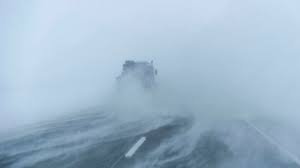
Dealing with a Blizzard Warning: How to Protect Your Home and Family
When a blizzard warning is issued by Environment Canada, it is more than just a forecast for some snow. A blizzard is a severe weather event characterized by sustained winds of 56 km/h or higher and visibility reduced to less than 400 metres due to falling or blowing snow, lasting for at least six hours.
In Canada, winter storms can escalate quickly, leading to dangerous road conditions and power outages. Being prepared is not just a suggestion—it is a necessity for your safety and the safety of your loved ones.
What Exactly is a Blizzard Warning?
Unlike a standard winter storm warning, a blizzard warning emphasizes the combination of wind and visibility. The primary danger is “whiteout” conditions, where it becomes nearly impossible to see the road or landmarks, making travel extremely hazardous.
Essential Preparation Checklist
Preparation is the key to weathering the storm with minimal stress. Here is a comprehensive guide to getting your household ready:
1. Stock Up on Emergency Supplies
- Non-perishable Food: Ensure you have at least a three-day supply of canned goods, dried fruits, and energy bars.
- Water: Store enough drinking water (about 4 litres per person per day).
- Lighting: Keep flashlights, lanterns, and plenty of extra batteries on hand. Avoid candles to prevent fire hazards.
- First Aid: Ensure your medical kit is fully stocked and that you have a backup supply of essential medications.
2. Prepare Your Home
- Heating Systems: Check your furnace and ensure your heating system is functioning efficiently.
- Seal Drafts: Use weatherstripping or towels to block cold air from entering under doors and around windows.
- Backup Power: If you have a generator, ensure it is tested and fueled. Remember to never run a generator indoors or in a garage due to carbon monoxide risks.
3. Vehicle Readiness
If you absolutely must travel, ensure your car is equipped for extreme conditions. A basic winter car kit should include a snow brush, ice scraper, jumper cables, a warm blanket, and a shovel.
Safety Tips During the Storm
Once the blizzard hits, the safest place to be is indoors. Follow these guidelines to stay secure:
- Avoid Unnecessary Travel: Stay off the roads. If you are caught in a whiteout, pull over to a safe area and stay in your vehicle.
- Stay Warm: Dress in layers and focus on keeping your core body temperature stable.
- Monitor Alerts: Keep a battery-powered radio or your smartphone charged to receive updated alerts from local authorities.
- Check on Neighbours: If safe to do so, check in on elderly neighbours or those living alone via phone.
After the Storm: Recovery and Safety
Once the blizzard warning is lifted, the danger isn’t entirely gone. Be mindful of the following:
- Snow Shovelling Safety: Shovelling heavy snow can put a significant strain on the heart. Take frequent breaks and stay hydrated.
- Check Pipes: Ensure your pipes haven’t frozen or burst during the extreme cold.
- Clear Vents: Make sure snow has not blocked your furnace or water heater exhaust vents, as this can cause dangerous gas buildup.
For more detailed information on emergency preparedness and disaster management, visit the Canadian Red Cross.
Stay warm, stay informed, and stay safe this winter season!



