
US-Iran Conflict: Trump Extends Ceasefire Amid Tense Diplomatic Standoff
The geopolitical landscape of the Middle East remains on a knife-edge. In a move that underscores the fragility of current international relations, the White House has announced a unilateral extension of the ceasefire between the United States and Iran. While this move prevents immediate escalation, the underlying tensions suggest that the war between Iran and the United States is far from over.
A Unilateral Move for a Fragile Peace
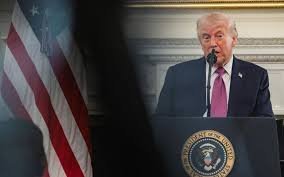
Without prior consultation with Tehran, Donald Trump extended the ceasefire that has been in effect since April 8. This decision was made with a clear objective: to provide a window of opportunity for Iran to present a viable proposal and for diplomatic discussions to reach a definitive conclusion.
The current strategy employed by the US administration is a classic “carrot and stick” approach. On one hand, the President has not shied away from threats of massive destruction; on the other, he is actively pleading for a peace agreement to end a crisis that is becoming increasingly costly—both financially and strategically—every single day.
The Failed Diplomatic Bridge in Pakistan
In an attempt to break the deadlock, the US government planned a high-level diplomatic mission. Vice President JD Vance was scheduled to be dispatched to Pakistan early this week to initiate a new cycle of negotiations with the Iranian regime.
However, this effort hit a wall. The Iranian leadership has formally refused to participate in these talks, leaving the international community wondering if a diplomatic exit is still possible or if the path to conflict is inevitable.
Key Takeaways of the Current Situation:
- Ceasefire Extension: Prolonged unilaterally by the US to allow for Iranian proposals.
- High Stakes: The conflict continues to incur significant costs for the US administration.
- Diplomatic Deadlock: Iran’s refusal to meet with JD Vance in Pakistan signals deep-rooted mistrust.
- Dual Strategy: A combination of extreme military threats and a call for a peace treaty.
What Happens Next?
As the world watches, the focus remains on whether Tehran will shift its stance or if the extension of the ceasefire is merely a temporary pause before a larger storm. For more in-depth analysis on global security, you can follow updates from highly authoritative sources like Reuters or the BBC News.
The resolution of the US-Iran conflict will not only define the stability of the Middle East but will also reshape global energy markets and international security alliances for years to come.



