
Stay Alert: Severe Weather Heading to Omaha This Thursday
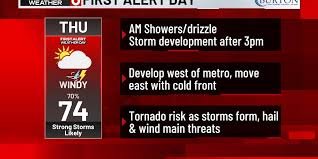
If you are in the metro area, it’s time to keep a close eye on the sky. The latest Omaha weather forecasts indicate that Thursday will be a critical weather day, with a high probability of strong to severe storms rolling through the region.
Meteorologists are designating this as a high-alert day, as a shifting cold front is expected to trigger volatile conditions across Nebraska. Here is everything you need to know to stay prepared.
The Forecast Timeline: What to Expect
The day will likely start quietly, but don’t let the morning calm fool you. Here is the expected progression of the weather events:
- n
- Morning Hours: Expect light showers and some drizzle. While these early precipitation patterns are weaker, they are crucial as they may influence exactly where the more severe afternoon storms develop.
- Early Afternoon (2:00 PM – 3:00 PM): The highest risk begins west of the metro area. This is when the cold front is most likely to spark intense storm cells.
- Late Afternoon to Early Evening: As the front pushes east, the storms will intensify and move across the city.
- Evening Wind-down: Most areas should see the threat subside by 7:00 PM or 8:00 PM as the storm system races eastward.
Potential Hazards: From Tornadoes to Hail
The nature of these storms is expected to evolve as they move. Residents should be aware of three primary threats:
- Tornado Threat: There is a risk of brief tornado development during the initial stages of the storm’s formation.
- Damaging Winds: As the system matures, high wind gusts will become the primary concern.
- Hail: Severe hail is expected as the storms track east into the early evening.
How to Stay Safe
When dealing with unpredictable Omaha weather, preparation is key. We recommend having a weather radio handy and ensuring your mobile alerts are turned on.
For real-time radar updates and official government warnings, always monitor the National Weather Service (NWS) to ensure you have the most accurate and up-to-the-minute information.
Pro Tip: Identify your safe room now—whether it’s a basement or an interior room on the lowest floor—so you can act quickly if a warning is issued for your specific location.



