
The Dynamic Shift: Understanding Today’s Global Population Trends
The story of the human population is one of the most fascinating narratives of our time. From rapid expansions in the 20th century to the complex demographic shifts we see today, how we grow, where we live, and how we age are fundamentally altering the landscape of global economics and social structures.
While the world recently surpassed the 8 billion mark, the growth is not uniform. We are witnessing a paradoxical era: while some regions experience a population explosion, others are facing a demographic winter with shrinking birth rates and aging societies.
Key Drivers of Modern Population Change
Several critical factors are influencing the current trajectory of the global population:
- n
- Fertility Rates: Many developed nations are seeing birth rates fall below the replacement level, leading to an older average age.
- Life Expectancy: Thanks to advancements in healthcare and nutrition, people are living longer than ever before.
- Urbanization: A massive shift from rural areas to mega-cities is redefining how resources are consumed and managed.
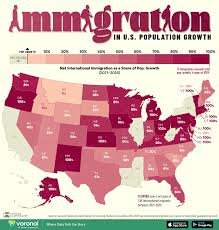
- Migration: The movement of people across borders is becoming a primary driver of population growth in developed economies.
n
n
n
n
The Canadian Context: A Unique Demographic Model
In Canada, the conversation around population is uniquely tied to immigration. Unlike many other Western nations, Canada utilizes a strategic approach to population growth to combat an aging workforce and sustain economic productivity.
According to Statistics Canada, immigration has been the main driver of population growth in recent years. This influx of talent and labour helps fill critical gaps in the healthcare, technology, and construction sectors, ensuring that the Canadian economy remains resilient.
Challenges and Opportunities of a Growing Population
A shifting population brings both hurdles and breakthroughs. On one hand, the pressure on infrastructure, housing, and healthcare systems increases as cities expand. On the other hand, a diverse and growing population fosters innovation, cultural richness, and a more robust consumer market.
To manage this growth sustainably, governments are focusing on:
- Sustainable Urban Planning: Developing “smart cities” to handle higher densities.
- Healthcare Adaptation: Scaling services to meet the needs of an aging demographic.
- Economic Integration: Ensuring newcomers are efficiently integrated into the professional workforce.
n
n
n
Looking Ahead: The Future of Humanity
As we look toward the future, the focus is shifting from how many people there are to how those people live. The goal is to balance population growth with planetary boundaries, ensuring that the Earth can support future generations without compromising environmental stability.
For a deeper dive into global demographic data, the World Bank Open Data portal provides comprehensive insights into how population trends correlate with global GDP and development goals.
Conclusion: Whether it’s the strategic growth in Canada or the slowing trends in East Asia, population dynamics are the invisible hand shaping our political and economic future. Staying informed about these trends is essential for businesses, policymakers, and citizens alike.



