
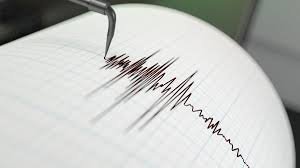
Magnitude 2.9 Earthquake Shakes San Ramon Area
Residents near San Ramon in Contra Costa County felt a preliminary magnitude 2.9 earthquake on Saturday afternoon, according to reports from the United States Geological Survey (USGS). The moderate tremor, initially recorded just before 2 p.m. Pacific Time, was centered approximately 2.5 miles east of San Ramon, sending a ripple of activity through the East Bay.
Immediate Details on the San Ramon Earthquake
While further information is still being gathered, the USGS confirmed the details of this seismic event. Earthquakes of this magnitude are typically felt by many in the immediate vicinity but usually cause little to no damage. This recent San Ramon earthquake serves as a timely reminder for those living in seismically active regions like the San Francisco Bay Area to stay vigilant and prepared.
Understanding Seismic Activity in the Bay Area
The San Francisco Bay Area is well-known for its complex network of fault lines, including the Hayward, Calaveras, and San Andreas Faults, which are among the most active in California. Minor tremors, like this one near San Ramon, are not uncommon and are a constant reminder of the region’s dynamic geology. Monitoring these events helps seismologists better understand the underlying geological stresses and predict potential future activity.
Are You Prepared for the Next Tremor?
Living in California means living with the reality of earthquakes. While this recent San Ramon earthquake was relatively small, it’s an opportune moment to review or establish your household’s emergency preparedness plan. Being ready can make a significant difference when a larger event occurs.
Key Steps for Earthquake Preparedness:
- “Drop, Cover, and Hold On”: Practice this life-saving action immediately when shaking starts, by dropping to the ground, taking cover under a sturdy piece of furniture, and holding on until the shaking stops.
- Emergency Kit: Assemble a kit with at least three days’ worth of water, non-perishable food, a first-aid kit, flashlight with extra batteries, a whistle, and essential medications.
- Family Communication Plan: Establish how your family will communicate and reunite after an earthquake, especially if you’re not together. Designate an out-of-state contact.
- Secure Your Home: Fasten heavy items like bookshelves, water heaters, and televisions to walls to prevent them from toppling over during strong shaking.
- Stay Informed: Know what to do before, during, and after an strong earthquake. Resources like Ready.gov’s comprehensive earthquake preparedness guide offer invaluable advice and checklists.
Stay tuned for any further updates regarding this developing story. We encourage all residents to use this event as a prompt to enhance their earthquake readiness and ensure the safety of their households and communities.



