
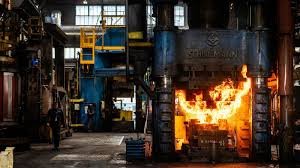
The High-Stakes Wait: A $175 Million Solution to a Global Crisis
In the world of aerospace manufacturing, precision is everything. However, the current state of aircraft engine production is anything but precise—it is strained. The recent announcement that Safran is investing $175 million (€150 million) into a massive 33,000-ton hydraulic press reveals a sobering reality: the aviation industry is facing a bottleneck so severe that a critical piece of infrastructure won’t be operational until 2029.
For those following the latest trends in simple flying and aviation logistics, this isn’t just a routine equipment upgrade. It is a desperate attempt to stabilize a supply chain that has struggled to recover since the pandemic.
The Forging Bottleneck: Why One Machine Matters
You might wonder why a single machine can dictate the delivery dates of hundreds of aircraft. The answer lies in forged components. These are the high-strength “bones” of a jet engine, capable of withstanding extreme temperatures and immense pressure. They cannot be 3D-printed or easily substituted; they require extreme force and precise metallurgy.
What the New Press Will Deliver:
- Massive Capacity: Production of up to 14,000 precision-forged parts annually.
- Next-Gen Support: Critical components for both commercial and military high-bypass turbofan engines.
- Technological Edge: Integration of real-time sensors to monitor material deformation and pressure.
These parts are essential for the Safran-GE joint venture, CFM International, specifically for the LEAP engines that power the Boeing 737 MAX and the Airbus A320neo families.
The Boeing Dilemma: A Fragile Recovery
For Boeing, this timeline is a significant blow. The company is already fighting an uphill battle to rebuild confidence and stabilize delivery rates. When your production speed is tied to a supplier’s capacity to forge metal, you aren’t just managing a factory—you are managing a global dependency.
The fact that this machine will not be fully operational for nearly half a decade means that current backlogs will likely persist. Airlines like Spirit and IndiGo, which rely heavily on LEAP-powered fleets, will continue to feel the ripple effects of these delays well into the late 2020s.
Global Competition and the Manufacturing Gap
The debate surrounding this investment highlights a growing concern regarding industrial sovereignty. While Europe strengthens its grip through Safran, some analysts point to a concerning gap in North American manufacturing. The ability to deploy high-tonnage presses quickly is a strategic advantage—one that competitors in China are reportedly leveraging with shorter lead times and lower costs.
The Strategic Ripple Effect:
- Narrowbody Demand: The 737 MAX and A320neo remain the gold standard for efficiency; demand will only grow.
- Widebody Ambitions: The press will also support high-thrust engines for the 777 family, essential for the recovery of long-haul travel.
- Job Creation: Safran expects to create 130 specialized jobs by 2026 to prepare for the 2029 launch.
Final Thoughts: A Long Road to Stability
Safran’s investment is a bold move toward future resilience, but it serves as a stark reminder of how fragile the aerospace ecosystem is. A single point of failure—or a single missing machine—can stall the progress of the world’s largest aircraft manufacturers.
As we look toward 2029, the industry must ask: Can we afford to rely on such a slow-moving industrial recovery? For now, Boeing and Airbus must navigate a landscape of limited output, hoping that the demand for air travel doesn’t outpace the world’s ability to forge the engines that power it.



