
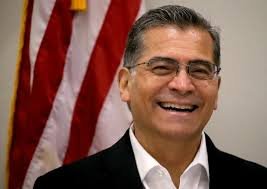
Steve Hilton: The Architect of Political Disruption and Strategic Innovation
In the complex world of global governance and political campaigning, few names evoke as much curiosity and debate as Steve Hilton. Known not just as a strategist, but as a political disruptor, Hilton has spent decades challenging the status quo of how power is wielded and how citizens interact with their governments.
The Rise of a Political Mastermind
Steve Hilton first gained international prominence as the chief strategist for David Cameron, the former Prime Minister of the United Kingdom. His approach was never about traditional polling or safe rhetoric; instead, Hilton focused on narrative shifting and emotional resonance. He was instrumental in rebranding the Conservative Party, making it appear more modern, environmentally conscious, and accessible to the general public.
His tenure in the UK government was marked by a desire to break the “Westminster bubble,” advocating for a government that listens more and dictates less. This period solidified his reputation as a thinker who isn’t afraid to dismantle established systems to build something more efficient.
From Strategy to Philosophy: The Push for Decentralization
In recent years, Steve Hilton has transitioned from the inner circles of power to becoming a vocal critic of the centralized state. He argues that the current model of top-down governance is obsolete in the digital age. According to Hilton, the solution lies in decentralization.
His vision involves shifting power away from national capitals and returning it to local communities. He believes that when people have direct control over their environments, innovation flourishes and social cohesion improves. This philosophy aligns with the broader global trend of seeking more transparent and agile forms of governance.
Key Pillars of Hilton’s Modern Political Vision:
- Localism: Empowering neighborhoods to solve their own problems.
- Technological Integration: Using digital tools to facilitate direct democracy.
- Systemic Disruption: Moving beyond the binary of “left vs. right” to focus on systemic efficiency.
- Citizen Agency: Shifting the role of the citizen from a passive consumer of government services to an active co-creator.
Why Steve Hilton’s Ideas Matter Today
Whether you agree with his political leanings or not, Hilton’s impact on political strategy is undeniable. In an era of deep political polarization, his call to move away from centralized conflict and toward local cooperation is more relevant than ever. He challenges us to ask: Is the current state model capable of solving 21st-century problems?
For those interested in the intersection of psychology, technology, and power, studying Hilton’s trajectory provides valuable insights into how to influence public opinion and how to rethink the structure of society.
To learn more about the evolving landscape of political thought and the movements toward localism, you can explore resources from high-authority institutions like the BBC for current political analysis or the Economist for global strategic trends.
Conclusion
Steve Hilton remains a provocative figure who refuses to be boxed into a single ideological category. By combining the precision of a campaign strategist with the curiosity of a social philosopher, he continues to push the boundaries of what is possible in governance. As the world moves toward a more decentralized future, Hilton’s theories may well become the blueprint for the next generation of political leadership.



