
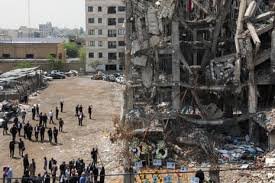
Iran War Ceasefire on the Brink: Trump Signals Potential Resumed Strikes Amid Diplomatic Efforts
The geopolitical tension between the United States and Iran has reached a fever pitch as a fragile 14-day iran war ceasefire approaches its critical deadline this Wednesday. With no definitive agreement in sight, the world watches anxiously to see if diplomacy will prevail or if the region will slide back into open conflict.
The Deadline Looming: Trump’s “Ready to Go” Stance
In a recent interview with CNBC’s Squawk Box, Donald Trump made it clear that he is not inclined to extend the current truce. Expressing a preference for a position of strength, Trump stated, “I expect to be bombing because I think that’s a better attitude to go in with.”
The U.S. administration maintains that its military is fully prepared for renewed action. Trump’s rhetoric suggests that the current window for negotiation is closing rapidly, asserting that the U.S. holds a dominant position that will eventually lead to a “great deal,” although the specific terms and costs of such an agreement remain ambiguous.
Diplomacy vs. Deterrence: The Islamabad Talks
Despite the aggressive tone, a glimmer of diplomatic hope remains. A second round of high-stakes negotiations is scheduled to take place in Islamabad, with JD Vance and Iran’s parliamentary speaker, Mohammad Bagher Ghalibaf, expected to meet.
However, the path to peace is fraught with contradictions. While diplomatic channels remain open, Trump has utilized platforms like Truth Social to accuse Tehran of multiple ceasefire violations, effectively laying the groundwork for a justification of resumed military strikes.
Iran’s Response: Defiance in the Face of Threats
Tehran has shown no intention of bowing to pressure. Speaker Ghalibaf explicitly stated via X (formerly Twitter) that Iran does not accept negotiations conducted “under the shadow of threats,” accusing Washington of demanding surrender rather than seeking a genuine diplomatic settlement. Furthermore, Iran’s military leadership has warned of an “immediate and decisive response” should hostilities resume.
The Global Ripple Effect: Energy Markets in Turmoil
The instability surrounding the iran war ceasefire is not just a regional issue; it is a global economic threat. The uncertainty has sent shockwaves through energy markets, raising fears of unprecedented price hikes.
- n
- The IEA Warning: Fatih Birol, head of the International Energy Agency (IEA), has described the current situation as the “biggest crisis in history.”
- Combined Pressures: The synergy of the Iran-US conflict and the ongoing Russian gas crisis has created a volatile environment for oil and gas supplies globally.
Strategic Pressure and “Operation Midnight Hammer”
Adding to the volatility, Trump has defended previous military actions, specifically “Operation Midnight Hammer.” He claims the mission successfully obliterated Iranian nuclear sites, asserting that Space Force surveillance confirms the destruction. Meanwhile, Pentagon Secretary Pete Hegseth has reinforced the U.S. readiness, stating the military is “locked and loaded” to target Iran’s energy infrastructure if necessary.
For a deeper understanding of the long-term geopolitical implications of these tensions, the Council on Foreign Relations provides extensive analysis on Middle Eastern stability.
Conclusion: A Precarious Balance
As the clock ticks down toward Wednesday, the world remains caught in a whiplash of contradictory signals—between the promise of a deal in Islamabad and the threat of “lots of bombs.” Whether the iran war ceasefire is extended or expires will likely determine the trajectory of global energy prices and international security for years to come.



