The New Frontier: Amazon vs. SpaceX in the Race for Satellite Internet
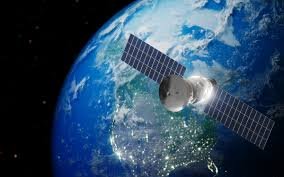
For years, SpaceX’s Starlink has enjoyed an almost uncontested lead in the low Earth orbit (LEO) satellite market. However, for investors watching AMZN stock, a new chapter is unfolding. While SpaceX currently holds the crown, Amazon is leveraging its massive capital reserves to play a high-stakes game of catch-up through Project Kuiper (now referred to as Amazon Leo).
The battle for the space economy isn’t just about who gets there first; it’s about who can scale sustainably. Amazon is now positioning itself as the most formidable rival to Elon Musk’s empire, but the road to dominance is paved with significant financial risks and logistical bottlenecks.
The Globalstar Acquisition: A Strategic Shortcut
To accelerate its timeline, Amazon recently made a powerhouse move by agreeing to acquire Globalstar (NASDAQ: GSAT) for approximately $11.6 billion. This isn’t just about adding a few satellites to the fleet; it’s a strategic land grab for radio spectrum licenses.
Why does this matter for the future of Amazon Leo? Spectrum is the “digital real estate” of space. By owning these licenses, Amazon can:
- Increase Data Speeds: Provide faster, more reliable internet to underserved regions.
- Direct-to-Device Connectivity: Compete directly with Starlink’s ability to connect smartphones without specialized hardware.
- Leverage Existing Partnerships: Expand the current synergy between Globalstar and Apple for emergency satellite services.
The Bottleneck: Launch Capacity vs. Capital
Despite the deep pockets, Amazon faces a critical hurdle: launch capacity. Unlike SpaceX, which owns the rockets (Falcon 9) used to deploy its fleet, Amazon must contract third-party providers. This dependency has created a glaring gap in deployment numbers:
| Company | Approximate Satellites in Orbit |
|---|---|
| SpaceX (Starlink) | 10,000+ |
| Amazon (Leo/Kuiper) | ~241 |
The Federal Communications Commission (FCC) requires Amazon to deploy half of its planned constellation by July 30, 2026. With current numbers trailing far behind, Amazon has already requested an extension, highlighting the difficulty of scaling a space infrastructure from scratch.
Financial Implications for AMZN Stockholders
Ambition comes with a price tag. Shareholders are already navigating Amazon’s planned $200 billion in capital expenditures. The aggressive push into the space economy could potentially push Amazon’s free cash flow into negative territory by 2026.
Historically, Amazon has a proven track record of heavy investment cycles leading to massive long-term returns—similar to how AWS transformed the company. However, the space sector is inherently more volatile than cloud computing or e-commerce. As CEO Andy Jassy has noted, while partnerships with airlines and wireless carriers are promising, the certainty of return is lower than in their core businesses.
The Verdict: Is AMZN Still a Strong Buy?
From a valuation perspective, AMZN stock remains an attractive opportunity. While the “Space Race” adds a layer of risk, Amazon’s diversified revenue streams provide a safety net that smaller competitors lack.
Key Takeaways for Investors:
- High Risk, High Reward: Project Kuiper is a moonshot that could redefine global connectivity.
- Cash Flow Pressure: Expect volatility in free cash flow over the next 24-36 months.
- Strategic Moat: The Globalstar acquisition strengthens Amazon’s technical infrastructure.
Whether Amazon can truly dismantle SpaceX’s lead remains to be seen, but one thing is clear: the space economy is no longer a monopoly.