
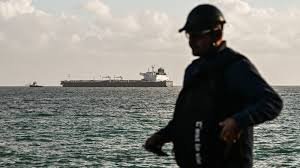
Strategic Strikes: Ukraine Hits Russian Energy Hubs
In a bold escalation of its aerial campaign, Ukraine launched a series of coordinated drone strikes targeting critical Russian oil infrastructure. These attacks, occurring over a single night, hit key refineries and terminals, signaling Kyiv’s intent to disrupt the economic engine fueling Moscow’s war machine.
The Targets: A Map of Destruction
According to Robert “Madyar” Brovdi, commander of Kyiv’s drone forces, the operation was wide-ranging, spanning from the Baltic Sea to occupied Crimea. The primary targets included:
- n
- Novokuybyshevsk and Syzran Refineries: Located in the Samara region.
- Tikhoretsk Oil Terminal: Situated in the Krasnodar region, where massive fires were reported.
- Port of Vysotsk: A strategic point on the Baltic Sea.
- Sevastopol Oil Depot: Located in occupied Crimea.
While the Russian Ministry of Defense claimed that air defenses intercepted 258 drones, regional governors told a different story. Local authorities in Samara and Leningrad confirmed hits on industrial facilities, and emergency services in Krasnodar deployed hundreds of personnel to extinguish raging blazes at the Tikhoretsk depot.
The US Connection: Sanctions vs. Stability
The timing of these attacks is not coincidental. The strikes occurred just hours after the United States granted Moscow another exemption to sell its sanctioned oil. This move has sparked outrage in Kyiv, with Brovdi labeling the US decision as “cynical” and warning that such diplomatic maneuvers come at a high cost in Ukrainian lives.
The US Treasury Department’s decision is a strategic attempt to prevent a global energy crisis. With rising tensions involving Iran, the administration seeks to ensure that oil remains available to global markets to avoid a price spike that could destabilize international economies.
The Economic Impact on Russia
Despite Western efforts to isolate the Russian economy, the energy sector remains a resilient lifeline. According to the International Energy Agency (IEA), Russia’s energy revenues saw a staggering increase recently. In March alone, earnings nearly doubled, jumping from $9.75 billion in February to approximately $19 billion.
This financial surge, bolstered by high oil prices and selective sanction waivers, provides the Kremlin with critical funding for its military operations, creating a complex paradox where global economic stability inadvertently supports the Russian war effort.
Conclusion: The Energy War Continues
The clash between Ukraine’s tactical strikes and the US’s economic balancing act highlights the volatility of the current geopolitical landscape. As Ukraine continues to target Russia‘s energy infrastructure to choke off funding, the world remains caught between the necessity of oil stability and the moral imperative of sanctions.



