
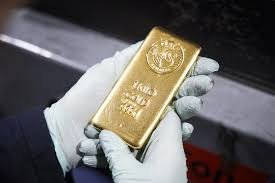
Is Silver a Good Investment? Understanding the Power of the ‘White Metal’
When investors think of precious metals, gold usually takes center stage. However, silver often emerges as the more versatile and dynamic option for those looking to diversify their portfolios. Whether you are a seasoned trader or a beginner, understanding the unique drivers of the silver market is essential for maximizing returns.
The Dual Nature of Silver: Industrial Demand vs. Safe Haven
Unlike gold, which is primarily held as a store of value, silver plays a critical role in the modern global economy. This duality is what makes it a fascinating asset:
- Industrial Powerhouse: Silver is the most electrically conductive metal on Earth. This makes it indispensable for the production of solar panels (photovoltaics), 5G technology, and electric vehicles (EVs).
- Financial Hedge: During times of economic instability or high inflation, investors flock to silver as a “safe haven” asset, similar to gold, to protect their purchasing power.
Silver vs. Gold: Which One Should You Choose?
The debate between silver and gold is timeless. While gold is generally more stable, silver is known for its higher volatility. This means that while the risks are slightly higher, the potential for rapid percentage gains during a bull market is often significantly greater for silver.
According to financial experts at Investopedia, the gold-to-silver ratio is a key metric used by traders to determine which metal is undervalued relative to the other.
How to Start Investing in Silver
If you are looking to enter the silver market, there are several ways to do so depending on your risk appetite:
- Physical Silver: Buying coins or bars. This provides tangible ownership and security.
- Silver ETFs: Exchange-Traded Funds allow you to track the price of silver without having to store physical metal.
- Mining Stocks: Investing in companies that extract silver can offer leveraged returns based on the metal’s price movements.
Market Outlook: What to Watch
To stay ahead of the curve, keep a close eye on global market news. Factors such as Federal Reserve interest rate decisions, industrial growth in Asia, and the transition to green energy will directly impact silver prices. For real-time data and deep financial analysis, professional tools like Bloomberg provide the critical insights needed to navigate these volatile waters.
Conclusion: Silver is more than just a jewelry component; it is a strategic asset that bridges the gap between industrial utility and financial security. By balancing physical holdings with paper assets, you can leverage the unique strengths of this precious metal.



