
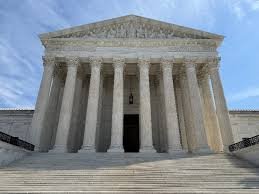
The Pillar of American Justice: An In-Depth Look at the Supreme Court of the United States
The Supreme Court of the United States (SCOTUS) stands as the highest judicial body in the American legal system. For those observing from Canada and around the world, understanding the inner workings of this institution is crucial, as its decisions often ripple across international borders, influencing legal precedents and human rights discourses globally.
What is the Supreme Court of the United States?
Established by Article III of the U.S. Constitution, the Supreme Court is the final arbiter of law. Its primary responsibility is to ensure that laws are applied consistently and that the Constitution is upheld across all fifty states. Unlike lower courts, the Supreme Court primarily focuses on appellate jurisdiction, meaning it reviews decisions made by other courts rather than holding new trials.
The Power of Judicial Review
One of the most significant powers held by the Court is judicial review. This is the authority to declare legislative acts or executive actions unconstitutional. This power was solidified in the landmark case Marbury v. Madison (1803), effectively making the judicial branch a co-equal partner with the legislative and executive branches.
Key aspects of the Court’s influence include:
- Constitutional Interpretation: Defining the boundaries of individual liberties and government authority.
- Legal Precedent: Creating “stare decisis,” where past rulings guide future legal decisions.
- Checks and Balances: Preventing the overreach of power by the President or Congress.
How the Court Operates
The Court is composed of one Chief Justice and eight Associate Justices, who are nominated by the President and confirmed by the Senate. These appointments are for life, ensuring that justices can make decisions based on the law rather than political pressure or the desire for re-election.
Why the Supreme Court Matters Globally
While the Court’s jurisdiction is limited to the United States, its rulings on civil liberties, corporate governance, and international treaties often set a tone for democratic legal systems worldwide. From the right to privacy to the limits of free speech, the debates held within the Supreme Court chambers echo in legal circles from Ottawa to London.
For more detailed information on current cases and official opinions, you can visit the official Supreme Court of the United States website.
Final Thoughts
The Supreme Court of the United States is more than just a legal body; it is a reflection of the evolving values of a nation. Whether through controversial rulings or the protection of fundamental rights, its legacy continues to shape the definition of justice in the 21st century.



