
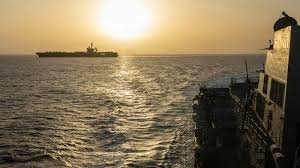
Tensions Peak as US Navy Seizes Iranian Ship in the Gulf of Oman
The geopolitical climate in the Middle East has reached a boiling point following a high-stakes maritime operation. In a decisive move, the US Navy intercepted and seized an Iranian ship, the M/V Touska, in the Gulf of Oman. This incident occurs at a critical juncture, just as diplomats scramble to prevent a full-scale conflict.
The Operation: How the M/V Touska Was Captured
According to reports from US Central Command (CENTCOM), the seizure was a coordinated effort involving advanced naval assets. The USS Spruance, an Arleigh Burke-class guided-missile destroyer, played a pivotal role by disabling the vessel’s propulsion system. After the M/V Touska failed to comply with warnings over a six-hour period, the Spruance utilized its 5-inch Mark 45 gun to fire several rounds into the ship’s engine room.
Following the disabling of the ship, US Marines from the USS Tripoli—part of the 31st Marine Expeditionary Unit—conducted a rapid boarding operation. Night footage reveals helicopters hovering over the cargo ship as Marines rappelled down to take control of the vessel.
Diplomatic Deadlock: The Race Against the Clock
The seizure of the Iranian ship comes at the worst possible time for diplomacy. US officials, including Vice President JD Vance, are scheduled to travel to Pakistan for urgent negotiations. However, the atmosphere remains frosty:
- n
- The Ceasefire: A fragile ceasefire is set to expire this Wednesday, with both nations accusing each other of violations.
- Uranium Disputes: A major sticking point is Iran’s stockpile of 60% enriched uranium. While the US has proposed shipping the stockpile out of Iran, Tehran has labeled this demand a “non-starter.”
- Enrichment Limits: Negotiators are clashing over the duration of a potential pause in uranium enrichment, with the US pushing for 20 years and Iran offering only five.
Global Economic Shockwaves: Oil and Airfare
The conflict is not just a military standoff; it is a global economic crisis. The effective closure of the Strait of Hormuz—a vital artery for global energy supplies—has sent shockwaves through the markets.
The ripple effects are already visible:
- n
- Aviation Costs: Korean Air has seen fuel surcharges skyrocket, with some long-haul flights to the US experiencing a sevenfold increase since February.
- Gas Prices: In the United States, Energy Secretary Chris Wright noted that gas prices have surged by over a dollar per gallon, warning that prices may not drop below $3 until 2027.
Broader Regional Instability
Beyond the maritime conflict, the region remains volatile. In southern Lebanon, the Israel Defense Forces (IDF) are facing scrutiny after a soldier was filmed damaging a Christian statue in the village of Debel. While the IDF has apologized and launched an investigation, the incident highlights the extreme tensions in occupied territories near the Litani River.
As the world watches the Gulf of Oman, the central question remains: will the seizure of the Iranian ship lead to a diplomatic breakthrough or trigger a wider regional war?
For more technical details on US naval capabilities, you can visit the official US Navy website.



