
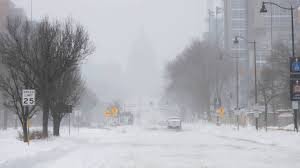
Winter Storm Survival Guide: Essential Tips to Stay Safe and Warm
When the temperature drops and the clouds gather, a winter storm can transform a peaceful landscape into a challenging environment in a matter of hours. Whether you are dealing with heavy snowfall, ice storms, or freezing rain, being prepared is the difference between a cozy winter evening and a dangerous emergency.
In this comprehensive guide, we will walk you through the essential steps to secure your home, protect your health, and ensure your family’s safety during severe winter weather.
1. Prepare Your Home for the Freeze
Your home is your primary shelter. Taking a few preventative measures before a winter storm hits can prevent costly damages and keep your living space warm.
- n
- Insulate Your Pipes: To prevent pipes from freezing and bursting, wrap exposed water pipes in foam insulation.
- Check Your Heating System: Ensure your furnace or heater is serviced and functioning efficiently before the first big freeze.
- Seal the Drafts: Use weatherstripping or door sweeps to stop cold air from leaking into your home, which helps maintain a stable indoor temperature.
2. Build the Ultimate Winter Emergency Kit
Power outages are common during a severe winter storm. Having an emergency kit ready ensures you aren’t left in the dark or cold. According to Ready.gov, a basic emergency supply kit is crucial for survival.
Your kit should include:
- Non-perishable Food: Canned goods, energy bars, and dried fruits that don’t require cooking.
- Water Supply: At least one gallon of water per person per day for several days.
- Light and Power: Flashlights, extra batteries, and portable power banks for your mobile devices.
- Warmth Essentials: Thermal blankets, sleeping bags, and heavy wool socks.
- First Aid: A fully stocked first aid kit and a supply of necessary prescription medications.
3. Staying Safe During the Storm
Once the winter storm arrives, the most important rule is to stay informed and avoid unnecessary risks.
Avoid Travel
If local authorities advise staying off the roads, follow their guidance. Ice and snow can make driving treacherous, even for experienced drivers. If you must travel, ensure your car has a full tank of gas and an emergency kit in the trunk.
Monitor Weather Alerts
Keep a close eye on official forecasts. The National Oceanic and Atmospheric Administration (NOAA) provides real-time updates and warnings that can save lives during extreme weather events.
4. Health Tips for Cold Weather
A winter storm isn’t just a threat to your infrastructure; it’s a threat to your health. Hypothermia and frostbite can occur quickly if you are underdressed.
- Dress in Layers: Wear multiple thin layers of clothing rather than one thick one. This traps heat more effectively.
- Stay Hydrated: It’s easy to forget to drink water when it’s cold, but hydration is key to maintaining body temperature.
- Keep Moving: If you are stuck indoors, light stretching or walking around the room can help keep your circulation flowing.
Conclusion
While a winter storm can be intimidating, proper preparation removes the panic. By securing your home, assembling an emergency kit, and staying informed through authoritative sources, you can weather any storm with confidence and safety.
Stay warm, stay safe, and always keep your emergency plan updated!



