## Jensen Huang Defends AI Chip Sales to China: A Strategic Move for US Dominance
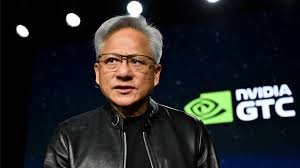
Nvidia CEO Jensen Huang recently engaged in a compelling debate regarding the sale of advanced AI chips to China. Speaking on a podcast with Dwarkesh Patel, Huang passionately argued that maintaining Chinese AI researchers within the American tech stack is, surprisingly, a strategic advantage for the United States.
Patel initially questioned the wisdom of providing China access to such powerful technology, citing potential cybersecurity threats. He referenced Anthropic’s Claude Mythos, which reportedly uncovered numerous vulnerabilities in major operating systems and web browsers, suggesting China could leverage Nvidia’s compute power for offensive cyber capabilities.
However, Huang countered that China already possesses significant computing resources, pointing to Huawei’s AI CloudMatrix cluster as evidence. He believes restricting access wouldn’t halt their AI development, but rather push it onto a foreign tech stack, isolating the US from crucial advancements, especially in open-source AI.
**“We want to make sure that all the AI developers in the world are developing on the American tech stack, and making the contributions, the advancements of AI — especially when it’s open source — available to the American ecosystem,”** Huang stated. He warned against creating a fragmented landscape with a closed American ecosystem and an open-source one reliant on foreign technology, deeming it a “horrible outcome” for the US.
### The iPhone & Tesla Precedent: Avoiding a Repeat
Another concern raised was the potential for China to replicate the success it had with products like iPhones and Teslas – initially adopting foreign technology before developing competitive domestic alternatives. Could Chinese AI companies eventually switch to domestically produced chips?
Huang dismissed this notion, confidently asserting, **“You’re not talking to somebody who woke up a loser.”** He emphasized the inherent “stickiness” of computing ecosystems like x86 and ARM, highlighting the significant time, energy, and cost involved in switching platforms. Nvidia’s strategy focuses on continuous innovation to maintain its competitive edge.
He further explained that AI technology comprises five interconnected layers: energy, chips, infrastructure, models, and applications. Focusing solely on one layer, like AI models, at the expense of others would be detrimental. Huang questioned why the US would intentionally disadvantage one layer to benefit another, stressing the need for success across the entire AI industry.
**“Why are you causing one layer of the AI industry to lose an entire market so that you could benefit from another layer of the AI industry? There are five layers, and every single layer has to succeed,”** he argued.
Ultimately, Jensen Huang’s perspective underscores the importance of maintaining US leadership in the AI ecosystem, not through isolation, but through continued innovation and strategic engagement.
[Learn more about Nvidia’s latest advancements on their official website](https://www.nvidia.com/).
[Explore the broader implications of AI development at Tom’s Hardware](https://www.tomshardware.com/).