
Vladimir Putin: A Shift in Public Sentiment?
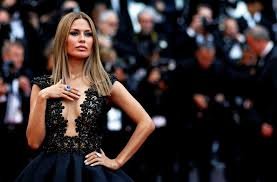
“Vladimir Vladimirovich, people are afraid of you.” These powerful words, spoken by Russian beauty influencer Victoria Bonya in an Instagram post, signal a growing wave of dissent directed at President Vladimir Putin. Bonya, known for her makeup tutorials and lifestyle content, bravely voiced concerns shared by many Russians, including bloggers, artists, and even regional governors.
Bonya’s message highlighted a range of issues plaguing Russia, from the slow response to devastating floods in Dagestan and questionable livestock culls in Siberia, to the increasingly restrictive control over online social networks. She expressed a feeling that Russia is drifting away from a free country, where open communication is stifled.
Influencers Speak Out
Bonya’s video quickly went viral, garnering over 26 million views and 75,000 comments, with many praising her courage. Another prominent Russian lifestyle influencer, Aiza, echoed these sentiments on her Instagram account, warning that tightening restrictions on the Telegram messaging platform would severely damage the Russian economy. She also raised concerns about high taxes and income inequality, questioning the wealth accumulated by some members of parliament.
This public pushback coincides with recent polls indicating a decline in support for Putin. The Kremlin has responded with increased internet crackdowns, even as Russia continues its ongoing conflict in Ukraine and faces growing economic challenges.
Escalating Internet Restrictions
Russia’s internet restrictions have intensified significantly since early spring, creating an unprecedented level of control over information access. Rolling mobile internet outages disrupted daily life in major cities like Moscow and St. Petersburg, alongside the throttling of Telegram and increased crackdowns on VPNs – tools widely used to bypass existing online restrictions.
Government officials claim these outages are security measures to counter Ukrainian cyberattacks, promising restoration “as soon as this measure is no longer deemed necessary.” However, many see this as a deliberate attempt to suppress dissent and control the narrative.
The Impact on Online Creators
These restrictions have particularly impacted online influencers, who have already faced financial hardship due to a law prohibiting advertising on blocked or “undesirable” websites. Instagram, officially blocked in 2022, remains accessible through VPNs, but the future is uncertain.
Liza Moka, a lifestyle and parenting blogger, shared a tearful video message expressing her desperation. Living in a remote area, she relies on the internet for work and her children’s education, and feels increasingly isolated by the restrictions. She poignantly questioned the need for VPNs to simply access education, asking what message this sends to patriotic children.
Even younger voices are expressing their frustration. A 19-year-old Instagram user named Artyom voiced his shock at the ban on English words in advertising, questioning where freedom lies and lamenting the diminishing opportunities available.
A Growing Chorus of Criticism
The criticism isn’t limited to social media. Newspaper columns have also condemned the unexplained internet shutdowns, with one article in “Nezavisimaya Gazeta” drawing parallels to Stalin’s suppression of scientific research.
Political scientist Ekaterina Schulmann suggests the internet restrictions have sparked more public commentary because they are perceived as a less overtly political issue. However, she notes that a shift in public mood began earlier, driven by the war in Ukraine. According to Schulmann, a growing majority of Russians now favour ending the war, even without achieving its stated goals.
War Fatigue and Diminishing Hopes
Investigative journalist Andrei Soldatov observes a palpable “war fatigue” even among patriotic Russians, with hopes for a favourable outcome under a different US administration fading away.
Understanding public opinion in Russia is complex, as Schulmann points out, due to the autocratic nature of the regime. However, the Kremlin’s response to the recent criticism is noteworthy. Kremlin spokesperson Dmitry Peskov acknowledged Bonya’s video, stating that “work is being done” on the issues raised.
Bonya herself expressed gratitude for Peskov’s response, but also distanced herself from coverage by outlets deemed unfavourable by the Kremlin. Despite the potential repercussions, she maintained that speaking out was “worth it.”
Repression and Uncertainty
The pressure on bloggers is intensifying. Pro-Putin blogger Ilya Remeslo, who called the war in Ukraine a “dead-end” and demanded Putin’s trial, was reportedly hospitalized in a psychiatric facility shortly after posting his manifesto. The case of Valeria Chekalina, a blogger battling cancer, also highlights the potential for selective prosecution.
With Putin’s approval rating declining, experts anticipate further restrictions and repression. The key question is whether Russians will view the current situation as a temporary abnormality or the new normal. As Schulmann states, “The president is the status quo… If you start disliking the status quo, then you start disliking him as well.”
Source: CNN



