Understanding the Canada-United States Border: A Comprehensive Guide
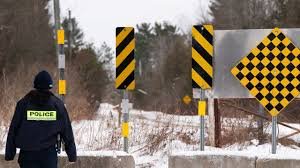
The Canada–United States border is the longest international land border in the world, stretching over 8,891 kilometers (5,525 miles). It’s a vital economic artery, facilitating billions of dollars in trade annually, and a crucial connection point for families and friends. However, navigating this border requires understanding its complex regulations, which have been particularly dynamic in recent years. This guide provides a comprehensive overview of current travel requirements, recent changes, and a look at the future of border crossings between Canada and the United States.
Current Travel Requirements (as of November 2023)
As of November 2023, most COVID-19 related restrictions have been lifted. However, travellers still need to meet specific requirements to enter either country. Here’s a breakdown:
- Canadian Citizens Returning to Canada: Generally, proof of citizenship (passport) is required.
- U.S. Citizens Entering Canada: A valid U.S. passport is required. Other accepted documents include NEXUS cards, FAST cards, and Enhanced Driver’s Licenses (EDL) for certain states.
- Canadian Citizens Entering the U.S.: A valid Canadian passport is required. NEXUS cards and Enhanced Identification Cards are also accepted.
- Permanent Residents: Permanent residents of both countries must carry their Permanent Resident Card (PR Card) and a valid passport from their country of citizenship.
- Vaccination Status: Proof of vaccination is no longer required for entry into either Canada or the United States.
- ArriveCAN (Canada): While previously mandatory, the ArriveCAN app is no longer required for most travellers. However, it’s still recommended to download the app for potential future use or updates. [https://www.canada.ca/en/immigration-refugees-citizenship/services/arrivecan.html](https://www.canada.ca/en/immigration-refugees-citizenship/services/arrivecan.html)
Recent Changes and Updates
The border situation has been fluid, with changes occurring frequently. Here are some key recent developments:
- Removal of Vaccine Mandates: The lifting of vaccine mandates in both countries significantly eased travel restrictions.
- ArriveCAN Simplification: The removal of the ArriveCAN requirement for most travellers has streamlined the entry process.
- Increased Border Security: Both countries continue to invest in enhanced border security measures, including advanced technology and increased personnel.
Common Issues and Delays at the Border
Travellers can experience delays at the border for various reasons. Common issues include:
- Incomplete or Incorrect Documentation: Ensure all travel documents are valid and accurate.
- Criminal Record: Individuals with a criminal record may be denied entry. It’s crucial to understand the admissibility requirements. [https://www.cbsa-asfc.gc.ca/menu-eng.html](https://www.cbsa-asfc.gc.ca/menu-eng.html)
- Goods to Declare: Accurately declare all goods being brought across the border to avoid penalties.
- Peak Travel Times: Expect longer wait times during holidays and peak travel seasons.
The Future of the Canada-US Border
The future of the Canada-US border is likely to involve increased technological integration and enhanced security measures. Discussions are ongoing regarding further streamlining of border processes and improving cross-border trade. Potential developments include:
- Biometric Identification: Increased use of biometric identification technologies for faster and more secure border crossings.
- Pre-Clearance Expansion: Expanding pre-clearance facilities at airports and land border crossings.
- Enhanced Data Sharing: Improved data sharing between Canadian and U.S. border agencies.
Staying informed about the latest regulations and preparing thoroughly are essential for a smooth and hassle-free border crossing experience. Always check official government websites for the most up-to-date information before travelling.