
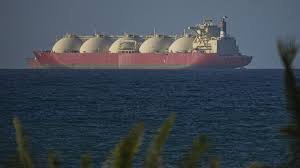
The Strait of Hormuz, a narrow waterway connecting the Persian Gulf to the Gulf of Oman and the Arabian Sea, remains a critical chokepoint for global energy supplies. Recent events and ongoing geopolitical tensions have placed this vital shipping lane under intense scrutiny. This article provides the latest news and analysis regarding the Strait of Hormuz, covering security concerns, shipping disruptions, and the broader implications for international trade.
Why the Strait of Hormuz Matters
Approximately 20% of the world’s oil supply passes through the Strait of Hormuz, making it arguably the most important oil transit chokepoint globally. Disruptions to shipping in this area can have significant consequences for energy prices and the global economy. Beyond oil, the strait is also crucial for the transport of liquefied natural gas (LNG) and other vital commodities. The United States Energy Information Administration (EIA) provides detailed data on the Strait’s importance: https://www.eia.gov/international/analysis/regions/middleeast/hormuz
Recent News & Developments
Recent months have seen increased naval presence in the region, with both the United States and its allies bolstering security measures. This is in response to a series of incidents, including seizures of vessels and reported attacks on shipping. While direct attribution remains a point of contention, concerns are growing about potential escalation. News sources like Reuters and the Associated Press are consistently reporting on these developments. Reuters Middle East and Associated Press Middle East offer up-to-date coverage.
Security Concerns & Geopolitical Tensions
The Strait of Hormuz is surrounded by countries with complex and often strained relationships. Iran, in particular, has repeatedly threatened to disrupt shipping in the strait in response to sanctions and other perceived provocations. The presence of international naval forces is intended to deter such actions and ensure freedom of navigation. However, the risk of miscalculation or accidental escalation remains a significant concern. The Council on Foreign Relations offers in-depth analysis of the geopolitical landscape: https://www.cfr.org/middle-east-and-north-africa
Impact on Global Shipping & Trade
Any significant disruption to shipping through the Strait of Hormuz would likely lead to a sharp increase in oil prices and potentially trigger a global economic slowdown. Shipping companies are already factoring in the increased risk when planning routes and insurance costs. Alternative routes, such as pipelines, exist but have limited capacity and cannot fully replace the Strait of Hormuz. Lloyd’s List, a leading provider of maritime intelligence, provides detailed analysis of the impact on shipping: https://lloydslist.maritimeintelligence.informa.com/
Looking Ahead
The situation in the Strait of Hormuz remains volatile and unpredictable. Continued diplomatic efforts and a strong international security presence are crucial to maintaining stability and ensuring the free flow of energy supplies. Staying informed about the latest developments is essential for businesses, policymakers, and anyone concerned about global security and economic stability. We will continue to update this article with the latest Strait of Hormuz news as it becomes available.



