
UK Reduces Reliance on Hotels for Asylum Seekers: A Changing Landscape
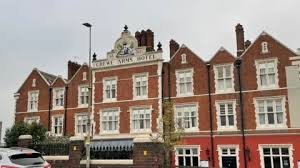
The UK government is making significant strides in reducing its reliance on hotels to house asylum seekers, a practice that has been a source of considerable controversy and financial strain. Currently, 185 hotels are being used, a substantial decrease from the peak of around 400. This reduction is attributed to increased deportations of individuals without the right to remain in the UK and the utilization of alternative accommodation options, such as military barracks.
A Controversial Practice and its Costs
The use of hotels to accommodate asylum seekers surged in 2020, driven by a backlog in processing claims and a shortage of long-term housing solutions. However, this approach has faced criticism from local communities, triggering protests and legal challenges. Concerns over the substantial financial burden have also been prominent. In 2024-2025, the cost of hotel accommodation reached £2.1 billion, following a £3 billion expenditure the previous year – equivalent to £8.3 million per day.
Policy Shifts and Future Plans
Home Office Minister Alex Norris emphasized that asylum hotels acted as a “pull factor,” encouraging illegal immigration. The government aims to dismantle this incentive by transitioning away from hotel accommodation. The closure of 11 hotels is projected to save nearly £65 million annually, with further closures anticipated. The Labour government has committed to ending the use of hotels for asylum seekers entirely by July 2029.
The government is focusing on increasing the use of “large, basic accommodation sites” to move individuals out of hotels. For example, up to 350 individuals have been relocated to the Crowborough military barracks in East Sussex, a move that has sparked local protests and objections from some politicians. It’s important to note that individuals entering the UK without permission are still able to seek asylum upon arrival.
Political Reactions and Diverging Approaches
The Conservative party has accused the government of simply “shunting people from hotels into residential apartments” to conceal the situation. They advocate for leaving the European Convention on Human Rights (ECHR) to expedite deportations. Liberal Democrats propose utilizing Nightingale processing centres to address the backlog and eliminate the need for hotels. Reform UK calls for the detention and deportation of all illegal migrants, while the Green Party has yet to issue a statement.
Despite promises to reduce small boat crossings following the July 2024 election, numbers remain high, with 100,625 arrivals recorded in 2025. The government continues to emphasize its commitment to dismantling trafficking gangs.
Understanding the Asylum Process
Asylum seekers are generally not permitted to work for the first 12 months while their claims are being processed. If they are unable to secure independent housing, the Home Office is legally obligated to provide accommodation. Currently, around two-thirds of asylum seekers are housed in “dispersal accommodation,” typically houses within communities. The next official figures are expected in May, with projections indicating a further reduction in the number of individuals housed in hotels to below 29,585.
For more detailed information on migration statistics, explore the Office for National Statistics.
You can also find more information on the asylum process on the UK government website.



