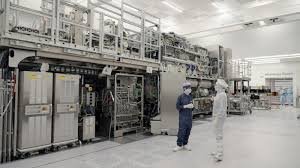
ASML Holding N.V. (ASML) is a name that’s increasingly on the lips of investors and tech enthusiasts alike. But what exactly does ASML do, and why is its stock (ASML) garnering so much attention? This article provides a comprehensive overview of ASML, its business, recent performance, and future prospects.
What Does ASML Do?
ASML is the world’s leading supplier of photolithography systems for the semiconductor industry. In simpler terms, they create the machines that manufacturers like TSMC, Intel, and Samsung use to *make* the chips that power everything from smartphones and computers to cars and data centers. Their most advanced technology, Extreme Ultraviolet (EUV) lithography, is crucial for producing the most cutting-edge, high-performance chips.
This isn’t just about making things smaller; it’s about increasing processing power, reducing energy consumption, and enabling new technological advancements. ASML’s dominance in EUV technology gives it a significant competitive advantage and makes it a vital component of the global semiconductor supply chain. You can learn more about the semiconductor manufacturing process here.
ASML Stock Performance & Growth Drivers
The ASML stock (ASML) has seen substantial growth in recent years, driven by several key factors. The increasing demand for semiconductors, fueled by trends like 5G, artificial intelligence (AI), and the Internet of Things (IoT), has created a robust market for ASML’s products. Furthermore, the complexity of modern chip manufacturing necessitates the use of ASML’s advanced technology, solidifying its position as a critical supplier.
- Strong Demand: The global chip shortage highlighted the importance of semiconductor manufacturing, boosting demand for ASML’s systems.
- EUV Monopoly: ASML is currently the only company capable of producing EUV lithography machines, giving it a near-monopoly in this crucial segment.
- Technological Leadership: Continuous innovation and investment in R&D ensure ASML remains at the forefront of lithography technology.
- Geopolitical Factors: Government initiatives to bolster domestic semiconductor production (like the CHIPS Act in the US) are expected to further drive demand.
Recent financial reports have consistently shown strong revenue and profit growth for ASML. However, it’s important to note that the semiconductor industry is cyclical, and ASML’s performance is subject to fluctuations in demand and global economic conditions. You can find the latest investor relations information on ASML’s official website: https://www.asml.com/investors
Future Outlook & Potential Risks
Looking ahead, the future for ASML appears bright. The demand for advanced semiconductors is expected to continue growing, and ASML is well-positioned to capitalize on this trend. However, several potential risks could impact the ASML stock. These include:
- Geopolitical Tensions: Trade restrictions and geopolitical instability could disrupt the semiconductor supply chain.
- Competition: While ASML currently has a monopoly on EUV, potential competitors are emerging.
- Economic Slowdown: A global economic recession could reduce demand for semiconductors.
- Supply Chain Issues: Continued disruptions in the global supply chain could impact ASML’s ability to deliver its systems.
Despite these risks, analysts generally remain optimistic about ASML’s long-term prospects. The company’s technological leadership, strong market position, and favorable industry trends suggest that ASML stock (ASML) is likely to remain a key player in the semiconductor industry for years to come.