Tornado Watch: What You Need to Know to Stay Safe
When the National Weather Service issues a **tornado watch**, it means conditions are favourable for tornadoes and severe thunderstorms to develop in and around the watch area. It’s a signal to be prepared, not to panic, but to take the threat seriously. Understanding the difference between a **tornado watch** and a **tornado warning** is crucial for your safety. This article will break down everything you need to know about **tornado watches**, including what they mean, how to prepare, and what to do when one is issued.
Tornado Watch vs. Tornado Warning: What’s the Difference?
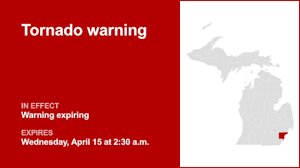
A **tornado watch** covers a larger area, typically several counties, and indicates that conditions are *favourable* for tornado development. Think of it as a heads-up. A **tornado warning**, on the other hand, is issued when a tornado has been sighted or indicated by weather radar. This means a tornado is *imminent* or occurring, and you should take shelter immediately. Here’s a quick breakdown:
* **Tornado Watch:** Be prepared. Conditions are right for tornadoes to form.
* **Tornado Warning:** Take action! A tornado is happening or will happen soon.
What to Do During a Tornado Watch
- Stay Informed: Monitor weather updates from reliable sources like the National Weather Service ([https://www.weather.gov/](https://www.weather.gov/)), local news, and weather apps.
- Have a Plan: Discuss a tornado safety plan with your family. Know where your designated shelter is.
- Prepare a Kit: Assemble a disaster kit with essentials like water, non-perishable food, a flashlight, a first-aid kit, and a NOAA weather radio.
- Secure Outdoor Objects: Bring inside anything that could be blown around by strong winds, such as patio furniture, garbage cans, and toys.
- Listen for Updates: Pay attention to changing weather conditions and be ready to take action if a tornado warning is issued.
Where to Seek Shelter During a Tornado
The safest place to be during a tornado is underground. If you have a basement, that’s your best option. If not, seek shelter in an interior room on the lowest level of your home, away from windows. A small, windowless bathroom or closet is ideal. Avoid large, open spaces like gyms or auditoriums. If you’re in a vehicle, abandon it and lie flat in a ditch or low-lying area. The Storm Prediction Center ([https://www.spc.noaa.gov/](https://www.spc.noaa.gov/)) provides excellent resources on tornado safety.
Staying Safe After a Tornado Watch
Even after a **tornado watch** expires, remain vigilant. Severe weather can change rapidly. Continue to monitor weather updates and be aware of your surroundings. If you experience damage, report it to your local authorities. Remember, preparedness is key to staying safe during severe weather events like tornadoes.