
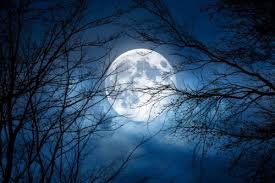
There’s something inherently captivating about looking up at the night sky, especially when graced by the radiant glow of a Full Moon. For centuries, our closest celestial neighbour has inspired poets, scientists, and dreamers alike. But among these monthly displays, a particularly grand event sometimes occurs: the Supermoon.
What Makes a Full Moon So Special?
A Full Moon occurs when the Moon is exactly opposite the Sun in its orbit around Earth. From our perspective, the entire face of the Moon is illuminated, creating a bright, circular disc in the night sky. This happens approximately once every 29.5 days, marking the midpoint of the lunar cycle. Each full moon even has its own traditional name, often related to seasonal changes, like the ‘Harvest Moon’ or ‘Wolf Moon’.
Understanding the Supermoon Phenomenon
While every full moon is beautiful, a Supermoon takes this natural wonder to an entirely new level. The term ‘Supermoon’ actually refers to a Full Moon (or New Moon, though less visible) that occurs when the Moon is at or near its closest point to Earth in its elliptical orbit. This closest point is known as perigee. Conversely, the farthest point is called apogee.
When the Moon reaches its full phase while simultaneously being at perigee, it appears noticeably larger and brighter than an average full moon. According to NASA, a Supermoon can appear up to 14% larger and 30% brighter than the faintest full moon of the year. This impressive visual effect is what makes this particular celestial event so exciting for skywatching enthusiasts across Canada and beyond.
Why Are Supermoons More Impactful?
- Visual Magnificence: The increased size and brightness offer a breathtaking spectacle, especially when near the horizon due to the ‘Moon illusion’.
- Rarity: While not exceedingly rare, Supermoons don’t happen every month, making each occurrence a special lunar phenomenon to anticipate.
- Connection to Nature: These grand displays remind us of the dynamic forces at play in our solar system and the intricate orbital path of Earth’s natural satellite.
Tips for Observing the Next Supermoon or Full Moon in Canada
- Check Dates: Keep an eye on astronomy calendars. Websites like Time and Date provide excellent resources for upcoming moon phases and events.
- Find a Clear View: Head to an area with minimal light pollution. Open fields, parks, or even your backyard can offer a great view, particularly outside urban centres.
- Look During Moonrise/Moonset: While the Supermoon is impressive throughout the night, viewing it during moonrise or moonset can enhance the ‘Moon illusion’, making it appear even larger.
- No Special Equipment Needed: Your naked eye is perfectly sufficient to appreciate this stunning celestial event. Binoculars or a telescope can, however, offer a more detailed look at the lunar surface.
Whether you’re an avid astronomer or simply someone who appreciates the beauty of the cosmos, the opportunity to witness a Full Moon or a spectacular Supermoon is a reminder of the universe’s endless wonders. Mark your calendars and prepare to look up!
For more fascinating insights into our universe and natural phenomena, explore resources from National Geographic.



