
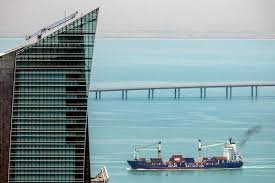
Unveiling the World of Marine Traffic: A Deep Dive
Ever wondered where ships are located in real-time? Or how global trade actually moves across the oceans? The answer lies in the fascinating world of marine traffic. More than just a visual spectacle, tracking ships provides crucial insights into the global economy, supply chains, and even environmental monitoring.
What is Marine Traffic?
Marine traffic refers to the movement of vessels – cargo ships, tankers, passenger ships, and more – across the world’s oceans and waterways. Historically, tracking this movement was a complex and often delayed process. Today, thanks to Automatic Identification System (AIS) technology and platforms like MarineTraffic.com, we can monitor ship positions, speeds, and destinations with unprecedented accuracy.
How Does Ship Tracking Work? (The Power of AIS)
The core of modern marine traffic monitoring is the Automatic Identification System (AIS). AIS is a tracking technology used by vessels to automatically broadcast information such as their identity, position, course, and speed. This data is received by ground-based stations, satellites, and other ships. This information is then compiled and displayed on platforms like MarineTraffic, providing a real-time view of maritime activity.
Key Benefits of Tracking Marine Traffic:
- Supply Chain Visibility: Businesses can track their goods in transit, improving logistics and reducing delays.
- Port Congestion Monitoring: Identify bottlenecks and optimize port operations.
- Environmental Protection: Monitor ship movements to detect potential pollution incidents and enforce regulations. See International Maritime Organization (IMO) for more information on environmental regulations.
- Security & Safety: Enhance maritime security and respond effectively to emergencies.
- Market Intelligence: Gain insights into trade patterns and market trends.
Marine Traffic and Global Trade
Approximately 90% of global trade is transported by sea. Therefore, understanding marine traffic is essential for comprehending the health and dynamics of the world economy. Fluctuations in ship traffic can signal changes in demand, disruptions in supply chains (as seen during the COVID-19 pandemic), and shifts in global trade routes. Platforms like MarineTraffic provide valuable data for economists, analysts, and businesses seeking to stay ahead of the curve.
Exploring MarineTraffic.com
MarineTraffic.com is a leading provider of marine traffic data and vessel tracking services. The platform offers a range of features, including:
- Real-time ship tracking map: Visualize ship movements around the world.
- Port calls and arrival/departure information: Track vessel schedules and port activity.
- Vessel details: Access information about individual ships, including their characteristics and ownership.
- Historical data: Analyze past ship movements and identify trends.
For a deeper understanding of maritime data and its applications, explore resources from MarineTraffic.com.
The Future of Marine Traffic Monitoring
As technology continues to evolve, marine traffic monitoring will become even more sophisticated. Expect to see increased integration of satellite data, artificial intelligence, and machine learning to provide more accurate and predictive insights into maritime activity. This will lead to greater efficiency, safety, and sustainability in the global shipping industry.



