
Iran War & Hormuz Strait: US Blockade Threat Looms
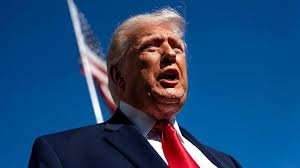
Tensions in the Middle East are escalating rapidly as the United States threatens a blockade of Iranian ports, set to begin imminently. This move, announced by President Trump, has sent shockwaves through global markets and sparked widespread international concern, particularly regarding the vital Strait of Hormuz.
The US Blockade Plan and Iran’s Response
The US Central Command (Centcom) has stated the blockade will apply to all vessels entering or leaving Iranian ports, both within Iran and in the Gulf and Gulf of Oman. However, the US insists it will not impede “freedom of navigation” through the Strait of Hormuz for ships traveling to and from non-Iranian ports. This distinction, however, does little to quell anxieties.
Iran has vehemently condemned the threat, with Parliament Speaker Mohammad Bagher Ghalibaf declaring the country will not “surrender under threats.” The Islamic Revolutionary Guard Corps (IRGC) has warned that military vessels approaching the Strait of Hormuz will be “dealt with severely,” raising the specter of direct confrontation. This escalating rhetoric underscores the high stakes involved.
The Strait of Hormuz: A Critical Chokepoint
Approximately 20% of the world’s oil and liquefied natural gas passes through the narrow Strait of Hormuz, making it a strategically crucial waterway. China is the largest recipient of crude oil from the strait, receiving 31% of the transported oil, followed by India at 14%. Disruption to this route could have devastating consequences for global energy markets and economies.
As Frank Gardner, the BBC’s Security Correspondent, points out, blockading Iran’s ports is a significantly escalatory step, fraught with legal, military, and economic risks. The US Navy would likely rely on satellite and intelligence gathering to identify ships leaving Iranian ports, even with their automatic identification systems (AIS) disabled.
International Reactions and Diplomatic Efforts
The US blockade proposal has drawn criticism from numerous countries. Spain’s Defence Minister Margarita Robles has called the plan “makes no sense,” while China has urged calm and restraint, emphasizing the importance of keeping the Strait of Hormuz open. ASEAN, a group of Southeast Asian nations, has called for a ceasefire and the assurance of maritime security.
France and the UK are planning a conference “aimed at restoring freedom of navigation in the strait,” demonstrating a commitment to de-escalation. However, the UK Prime Minister Keir Starmer has stated the UK is “not supporting a blockade,” focusing instead on opening the Strait of Hormuz to lower energy prices.
Failed Peace Talks and the Role of Diplomacy
Weekend peace talks between the US and Iran ended without a breakthrough. President Trump blamed Iran’s unwillingness to abandon its nuclear ambitions, while Iran’s Foreign Minister cited “shifting goalposts” from the US. Despite the impasse, there are glimmers of hope for continued dialogue.
Lyse Doucet, the BBC’s Chief International Correspondent, notes that the door to diplomacy remains open, and initial discussions were surprisingly productive. However, significant red lines remain on both sides, particularly regarding Iran’s nuclear program. Negotiations will be complex and challenging, but essential to avoid further escalation.
Pope Francis and President Trump
The situation has also seen a public exchange between Pope Leo and President Trump. Pope Leo has stated he has “no intention to debate” Trump, reaffirming his commitment to promoting peace. Trump had previously criticized the pontiff’s comments on the conflict, calling him “terrible for foreign policy.”
Ongoing Conflicts and Regional Instability
Adding to the complexity, fighting continues between Israel and Hezbollah in Lebanon. The Israel Defense Forces are expanding operations in southern Lebanon, while Hezbollah claims to have attacked Israeli troops. The European Commission President Ursula von der Leyen has highlighted the financial impact of the conflict, noting a €22 billion increase in the EU’s fossil fuel import bill.
The situation remains highly volatile and unpredictable. The US blockade threat, coupled with ongoing regional conflicts and failed peace talks, underscores the urgent need for de-escalation and a renewed commitment to diplomatic solutions. The world watches anxiously as the crisis unfolds, hoping to avert a wider conflict in the strategically vital region of the Middle East.



