
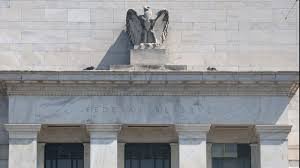
Federal Reserve News Today: Unpacking the Latest Decisions and Their Impact
The Federal Reserve, often simply called the Fed, is the central bank of the United States. Its decisions on monetary policy have far-reaching implications, influencing everything from borrowing costs for homes and cars to the overall health of the U.S. and global economies. Staying abreast of Federal Reserve news today is crucial for investors, businesses, and consumers alike.
As the economic landscape constantly shifts, the Fed’s mandate to foster maximum employment and price stability means its actions are under constant scrutiny. Recent announcements and economic projections from the Federal Open Market Committee (FOMC) provide critical insights into the nation’s financial trajectory. Let’s delve into the latest developments and what they signify.
The Fed’s Latest Stance on Interest Rates
In its most recent meeting, the Federal Reserve opted to maintain the federal funds rate within its target range, a decision widely anticipated by financial markets. This pause signals the Fed’s cautious approach, allowing time to assess the cumulative effect of previous rate hikes on inflation and economic activity. The central bank emphasized that future adjustments will remain data-dependent, closely monitoring key economic indicators such as inflation rates, employment figures, and consumer spending.
While a pause offers some stability, the Fed’s accompanying statements suggest that the fight against inflation is far from over. Policymakers reiterated their commitment to bringing inflation back down to the 2% target, indicating that further tightening remains a possibility if inflationary pressures prove persistent. This forward guidance is a critical piece of Federal Reserve news today, shaping expectations for future market movements and lending conditions.
Understanding the Impact on Inflation and Economic Growth
The Fed’s decisions are primarily aimed at managing inflation without triggering a severe economic downturn. High interest rates make borrowing more expensive, which can cool down an overheating economy by reducing demand. However, a delicate balance must be struck; too much tightening can stifle economic growth and lead to job losses.
Currently, the Fed is grappling with the challenge of a resilient labor market alongside stubborn inflation in certain sectors. While headline inflation has moderated from its peaks, core inflation (excluding volatile food and energy prices) remains a concern. The Fed’s latest move reflects its assessment that current monetary policy is restrictive enough to bring inflation down over time, but that vigilance is still required. Businesses and consumers should prepare for a period where borrowing costs remain elevated, impacting investment decisions and household budgets.
Market Reactions and Future Outlook
Financial markets typically react swiftly to Federal Reserve news today. Following the recent announcement, stock markets showed a mixed response, reflecting investors’ parsing of the Fed’s nuanced message. Bond yields also saw some fluctuation, as traders adjusted their expectations for future rate paths. The U.S. dollar’s strength often correlates with the Fed’s hawkishness, and its recent movements reflect the ongoing tug-of-war between inflation concerns and growth anxieties.
Looking ahead, the economic outlook remains uncertain. Analysts are closely watching several factors that could influence the Fed’s next steps:
- Inflation Data: Upcoming Consumer Price Index (CPI) and Producer Price Index (PPI) reports will be crucial.
- Employment Figures: The monthly jobs report will indicate the health and resilience of the labor market.
- Consumer Spending: Retail sales data offers insights into consumer confidence and economic activity.
- Global Economic Developments: International events and economic slowdowns could also influence the Fed’s calculations.
The consensus among many economists is that the Fed may be nearing the end of its tightening cycle, but the possibility of another rate hike before year-end cannot be entirely dismissed. The path forward will be dictated by the incoming data and the Fed’s evolving assessment of the economic landscape.
Navigating the Economic Landscape
In conclusion, the latest Federal Reserve news today highlights a period of careful observation and data dependency. The Fed’s commitment to price stability remains firm, and its actions will continue to shape the financial environment. Staying informed through reputable sources like the Official Federal Reserve Website or major financial news outlets such as the Wall Street Journal’s Federal Reserve coverage is essential for making informed financial decisions in this dynamic economic climate.
As we move forward, market participants and the public will be keenly awaiting the next set of economic indicators and the Fed’s subsequent communications to gauge the direction of monetary policy and its profound implications for the economy.



