
Callao Elections 2026: A Nation at the Polls
April 12, 2026, marks a pivotal day for Peru as over 27 million citizens cast their votes to determine the nation’s political future. This election is one of the most complex in Peru’s democratic history, with citizens choosing not only the next president and vice presidents but also 60 senators, 130 deputies, and representatives to the Andean Parliament. For the first time in three decades, Peru returns to a bicameral Congress, a significant institutional change requiring voters to be well-informed about their choices.
A Crowded Field of Presidential Candidates
A record-breaking 35 presidential candidates are vying for the presidency – the highest number ever presented in Latin America. This election is characterized by fragmentation, distrust in political parties, and uncertainty surrounding the final outcome. The sheer number of options presents a unique challenge for voters navigating the political landscape.
Election Day Unfolds: Early Reports and Challenges
The first polling station for the 2026 General Elections officially opened at 4:45 AM today at the Carlos Noriega Jiménez educational institution in Huanuhuanu, Caravelí province, Arequipa region, as reported by the National Office of Electoral Processes (ONPE). This signaled the formal start of a crucial electoral day, with over 26 million citizens eligible to vote.
Candidates Cast Their Votes
Rafael López Aliaga was seen casting his vote, greeted by supporters and media. He expressed optimism about his chances, addressing concerns about the electoral process and dismissing rumors of division within his team. Similarly, Carlos Álvarez exercised his right to vote in San Isidro, Lima, demonstrating seriousness and displaying his identification document to the cameras.
Voter Frustration and Logistical Issues
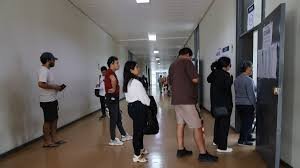
However, the day hasn’t been without its challenges. Reports are emerging from various districts, including Surco and Miraflores, of delayed polling station setups, long lines, and disorganization. Voters in Surco expressed frustration over the lack of a priority queue and the absence of authorities to address the situation. Similar issues were reported in Lima, with early voters facing lengthy delays and confusion. Citizens in Miraflores encountered setbacks due to missing electoral materials and technical problems with computers and printers.
Long Waits and Logistical Hurdles
Since 6:00 AM, thousands of poll workers across the country have been preparing voting stations for the election of the new Peruvian president. A candidate could be elected in the first round if they secure over 50% of the votes; otherwise, a second round will be held. Many voters, including seniors, have been forced to wait in long lines under the sun due to logistical problems and delays in setting up polling stations. Delays of over two hours have been reported in dozens of voting centers across Lima, including Surco, San Borja, Miraflores, and Villa el Salvador, with electoral materials still not arriving at some locations.
The Callao elections of 2026 are proving to be a test of Peru’s democratic institutions and the patience of its citizens. The outcome will undoubtedly shape the country’s political trajectory for years to come. For more information on the Peruvian electoral system, you can visit the ONPE website.



