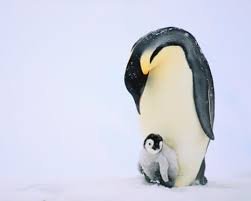
Emperor Penguin: Facing Extinction in a Warming World
The majestic emperor penguin, a symbol of the Antarctic wilderness, is now officially listed as endangered, a stark warning about the accelerating impacts of climate change. Record low levels of Antarctic sea ice are having devastating consequences for these incredible birds, particularly for chicks that haven’t yet developed waterproof feathers.
The Crisis Unfolds: Sea Ice Loss and Penguin Survival
Emperor penguins depend on stable “fast” ice – sea ice firmly attached to the coastline – for nearly nine months of the year. This ice serves as a crucial breeding ground where fluffy chicks hatch and grow, developing the waterproof plumage essential for survival. Adults also rely on this ice for moulting, a period when they need a safe haven while their swimming feathers regrow. However, since 2016, global heating has triggered unprecedented declines in Antarctic sea ice extent.
When the sea ice breaks up prematurely, entire penguin colonies are vulnerable. Chicks can be swept into the ocean, where they tragically drown. Even those that manage to escape the water are often soaked and succumb to hypothermia. The situation is dire, with catastrophic colony collapses becoming increasingly frequent.
Recent Colony Collapses and Population Decline
In 2022, four out of five known emperor penguin breeding sites in the Bellingshausen Sea experienced complete collapses, resulting in the loss of thousands of chicks. A further colony in the Weddell Sea collapsed in 2016. Researchers describe these events as “grim” and “extraordinarily distressing.”
The International Union for Conservation of Nature (IUCN) assessment projects a grim future: the emperor penguin population is expected to halve by the 2080s due to continued sea ice loss. The current population is estimated at 595,000 adults, already down 10% between 2009 and 2018. This decline prompted a significant shift in the species’ conservation status, moving them from “near threatened” to “endangered.”
Beyond Penguins: A Wider Ecosystem in Peril
The climate crisis isn’t just impacting emperor penguins. The IUCN assessment also revealed a halving of the Antarctic fur seal population since 2000, driven by a reduction in krill – a vital food source. This decline has pushed the Antarctic fur seal into the endangered category as well. Rising ocean temperatures are forcing krill to deeper, colder waters, making them less accessible to seals.
Urgent Action Needed: A Call to Decarbonize
“The emperor penguin’s move to endangered is a stark warning: climate change is accelerating the extinction crisis before our eyes,” says Martin Harper, CEO of BirdLife International. “Governments must act now to urgently decarbonize our economies.”
Marine ecologist Dr. Philip Trathan emphasizes that human-induced climate change is the most significant threat. “Early sea ice breakup is already affecting colonies around the Antarctic, and further changes in sea ice will continue to affect their breeding, feeding and moulting habitat.” He adds that emperor penguins serve as a “sentinel species,” providing crucial insights into the health of our planet.
What Can Be Done?
Cutting carbon dioxide emissions from fossil fuels is the only way to halt global heating. WWF is advocating for emperor penguins to be listed as a “specially protected species” at the upcoming Antarctic treaty meeting in May, which would provide additional protection for their habitat from tourism and shipping. WWF is actively working on conservation efforts.
The fate of these magnificent birds, and the entire Antarctic ecosystem, hangs in the balance. The time for action is now.
Learn more about Antarctic conservation: Antarctic Treaty System