Lane Kiffin’s LSU Leap: A Mirror to College Football’s Soul and CFP Rankings Drama
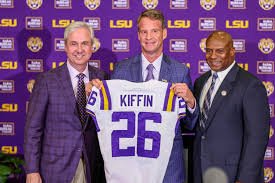
The scene unfolded like a cinematic thriller: Lane Kiffin, fresh off a controversial departure from Ole Miss, fleeing angry fans at the airport, cars allegedly in pursuit down the highway. Hours later, he emerged in Baton Rouge to a hero’s welcome. This dramatic transition, from pariah to savior in a 300-mile journey, encapsulates the wild, often absurd, reality of modern college football – a reality that profoundly influences everything from team morale to crucial CFP rankings.
The Coach, The Catalyst, The Controversy
Kiffin, often dubbed a ‘villain’ or ‘savior’ depending on which sideline you’re on, is at his core, a football coach. Yet, in the high-stakes environment of the SEC, coaching transcends a mere profession; it becomes a religion, a crusade. His recent move from the Ole Miss Rebels to the LSU Tigers was not just a job change; it was an earthquake felt across the league, sending ripples through fan bases and raising questions about team stability, especially for those with aspirations in the College Football Playoff.
“That airport scene? All of those things being said about you, and you think you’ve done a great job for six years,” Kiffin reportedly remarked, highlighting the intense personal toll of these public transitions. But for fans, the sting of a coach’s departure, particularly when their team is performing well and eyeing strong CFP rankings, often outweighs any personal sentiment.
The Gluttony of College Football: Where Money Trumps Tradition
While Kiffin’s saga makes for gripping headlines, it’s merely a symptom of a larger illness plaguing college football: unchecked ambition and a relentless chase for revenue. The sport’s infrastructure, designed to nurture young athletes and maintain competitive balance, is buckling under the weight of commercial pressures.
The Transfer Portal & Scheduling Chaos
Consider the logistical nightmare: the transfer portal window opens on January 2nd, while early signing for high school recruits begins in December, and the season itself doesn’t conclude until mid-January. Coaches and players are forced to make monumental decisions about future rosters before the current season is even finished. This constant churn, fueled by big money and unchecked ambition, directly impacts team stability and, by extension, their prospects in the weekly CFP rankings.
“Moving the portal window to spring – not only after the season is well over but the academic year…is too – has been met with resistance,” indicating a deeper systemic issue where the immediate demands of team building outweigh player well-being and academic considerations. The consequence? A ‘holiday shopping season’ for players, orchestrated by unregulated agents, further destabilizing programs.
The Missing Rules: A Tampering Free-For-All
Unlike the NFL, which enforces strict anti-tampering rules to prevent in-season poaching of coaches and players, college football operates in a vacuum of enforcement. The consequence is chaos, as demonstrated by the Kiffin situation, where a coach can ostensibly negotiate with a rival while still leading his current team. This lack of clear guidelines undermines fair play and further complicates the landscape for teams striving for consistent performance and high CFP rankings.
A Fading Sense of Decency: What We’ve Lost
The Kiffin narrative also brings to light a stark contrast with college football’s past. In 1957, coaching legend Bear Bryant, upon being hired by Alabama, still coached Texas A&M in their bowl game. His famous line, “Mama called,” epitomized a sense of loyalty and collegiality that feels almost alien today.
“Coach, I just want to say thank you for letting me play for you the last two years. I just wanted to say goodbye and well, good luck, at Alabama,” a player told Bryant, a sentiment unlikely to be echoed by the Ole Miss faithful as Kiffin departed. The individual bond between coach and player, and the respect for the institution, seem to have been overshadowed by the transactional nature of modern sports.
What This Means for College Football and the CFP Rankings
The Lane Kiffin saga is more than just a coaching carousel; it’s a glaring spotlight on the ethical and structural challenges facing college football. As the sport continues to expand its playoff field and chase ever-greater revenues, the core values of sportsmanship, stability, and even basic civility are eroding. The integrity of the game, the future of its young athletes, and the very trustworthiness of the CFP rankings as a true measure of consistent excellence, hang in the balance. Without meaningful reforms, these dramatic coaching changes will remain a recurring, and increasingly damaging, spectacle.